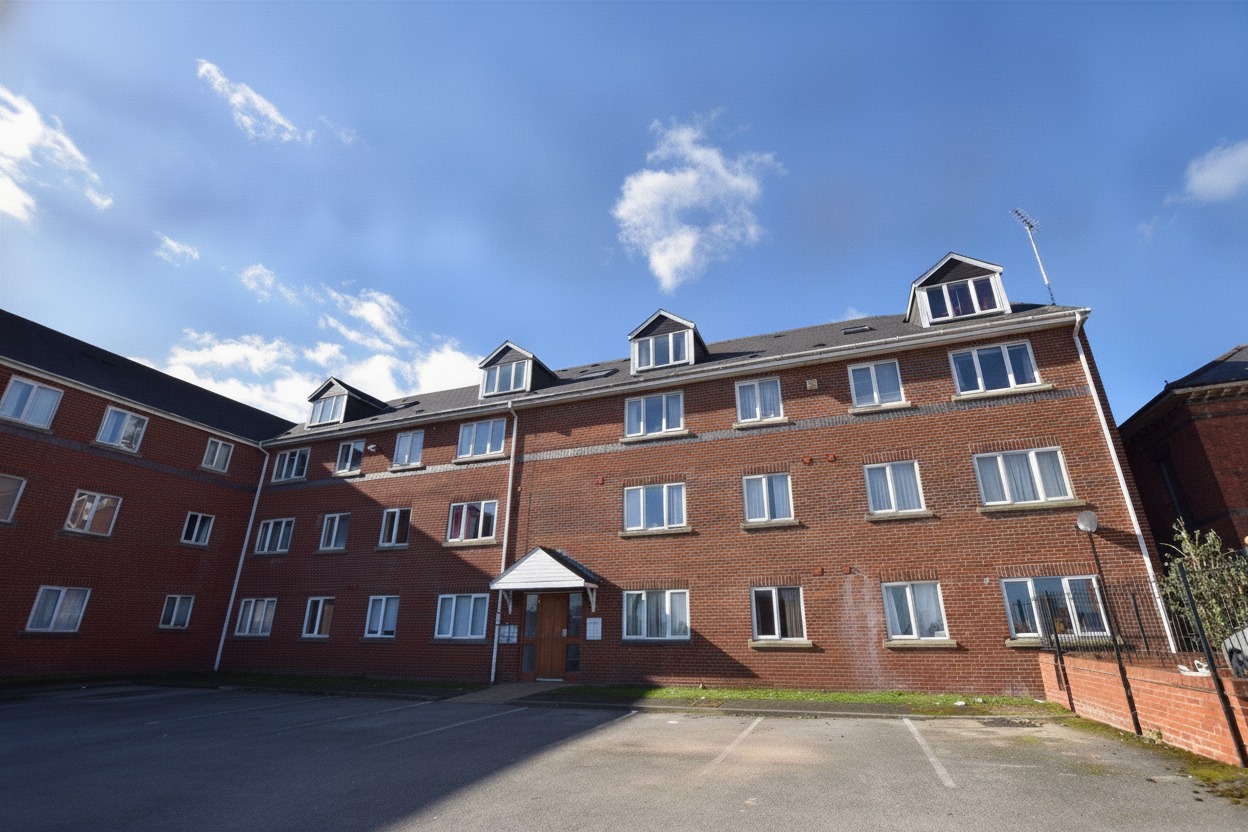


15 February 2027: The Date Derbyshire Landlords Need to Know
The new landlord registration service is coming, and Derbyshire landlords have a key date to remember. From February 2027, properties in our region will need to be registered, with a three-month window to get it done. Here’s what you need to know, what to prepare, and why getting organised early will make life much easier.
Just when you thought your landlord paperwork pile was looking manageable, the Government red tape brigade has announced another addition.
England’s new ‘Register your rental property’ service will begin rolling out on 15 December 2026, marking the next phase of the Renters’ Rights Act reforms. It is the national landlord database we have been hearing about, but now with a timetable attached.
There will be information to provide, documents to gather and an annual fee to pay... and yet another administrative task to complete.
However, you have to acknowledge the intent - a well-designed register could help responsible landlords demonstrate their standards and make life harder for those who consistently ignore the rules. The important question is whether the finished service delivers something useful, rather than simply giving everyone another password to remember.
Here’s what landlords need to know...
What is the new landlord register?
The service will require landlords of assured or regulated tenancies in England to register themselves and each rental property. The Government has confirmed an exemption for supported exempt accommodation, as defined in the relevant legislation.
The intention is to give councils better information to identify poor practice and take enforcement action. Later, tenants will also be able to check whether their landlord or prospective landlord has registered.
For us, the principle is sensible. Responsible landlords should be able to stand apart from operators who cut corners. The practical details will determine whether this becomes a helpful tool or another administrative chore.

What will it cost?
Registration will cost £65 per property, per year, with annual renewal required. It is not a one-off payment or a single charge covering an entire portfolio.
That means five properties would cost £325 a year, and ten would cost £650. Our advice is to include it in your property budget now, rather than treating it as an unwelcome surprise when registration arrives.

When will landlords need to register?
The rollout is regional, with a three-month registration window for each area. Crucially, the deadline follows where the property is located, not where the landlord lives. The announced timetable is below.
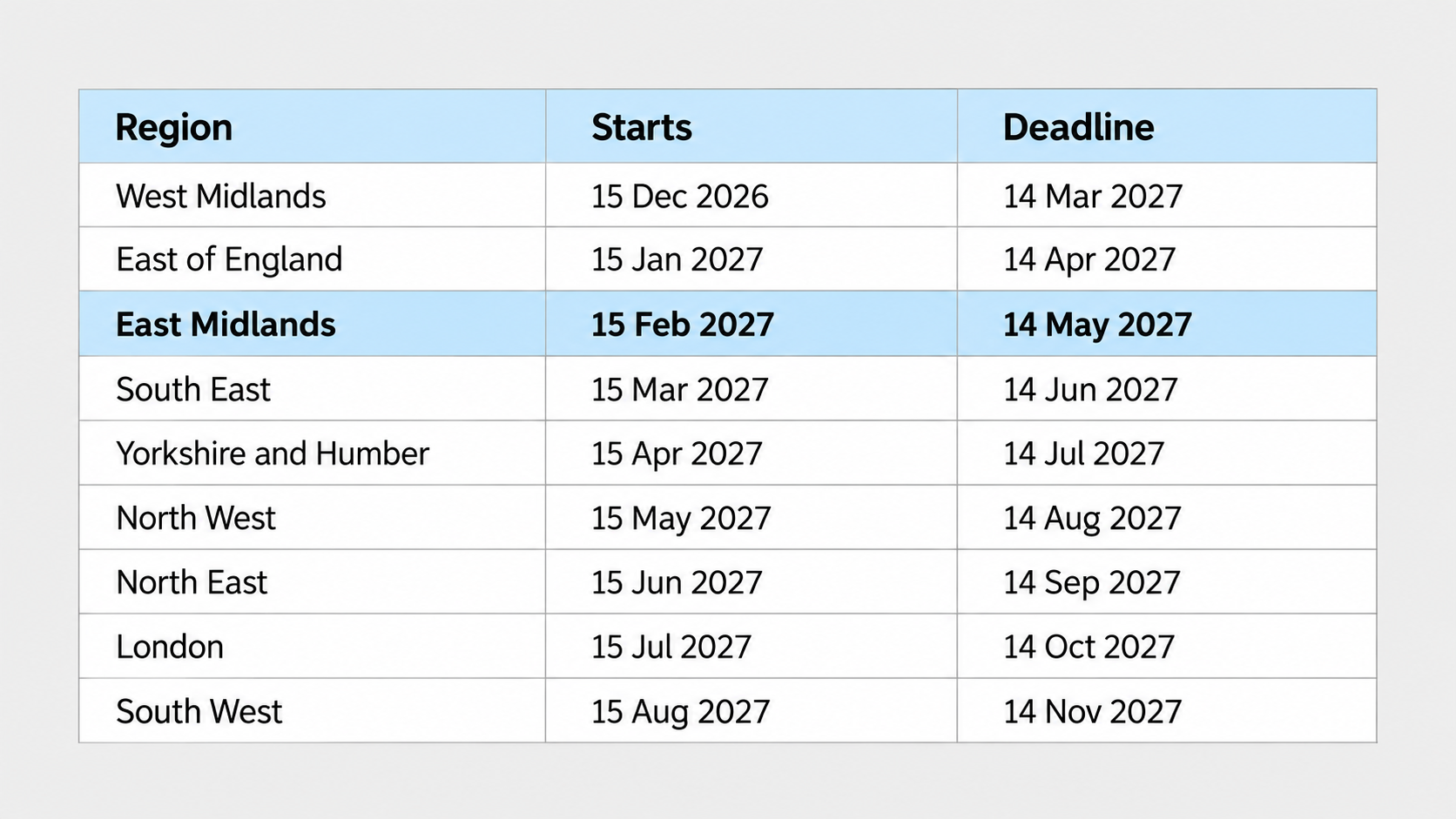
For landlords with properties in Derby and Derbyshire, 14 May 2027 is the key deadline.
You can register earlier, from 15 December 2026, including registering properties across several regions together. You do not have to wait until your region’s requirement begins.
That gives landlords a choice; organise things early, or join the inevitable last-minute scramble. We know which approach we would recommend!

What information will you need?
Think of this as bringing your landlord and property records together.
The information includes your identity and contact details; property address, ownership and bedroom details; occupancy, rent and relevant licensing information; and applicable gas safety, electrical safety and energy performance records. Organisational landlords will need additional information about their organisation.
Our recommendation is to create a clear file for each property now. Check what you hold, identify anything missing and separate documents that need action from those that are simply ready to upload.
A folder full of certificates is useful. A folder full of certificates you have actually checked is better.
We are currently working on a definitive checklist that landlords can be used for each property - watch this space.

Can your letting agent enter details on your behalf?
Yes. Agents will be able to provide certain information, but landlords must still start and finish the registration process themselves.
The Government confirms that landlords can agree for their letting agent or property manager to supply certain information on their behalf. The landlord remains responsible for providing all required information. Detailed guidance explaining the scope of agent involvement is due before launch.
Propertymark says agents will be able to upload health and safety information and certificates where agreed with the landlord.
So, your agent can help with the work. That is different from being able to hand over the entire registration and have no involvement. Before registration opens, agree who will prepare the information, who will upload what, and what you need to complete personally.

My view: “Good landlords should approach this with a plan, not a panic”
Let’s be honest, no landlord was sitting at home wishing the Government would introduce another registration form!
But I don’t think this is a reason to reach for the ‘for sale’ board either. I’m broadly in favour of something that helps good landlords show they are good landlords. People who invest in their properties, maintain them properly and treat tenants fairly deserve better than being lumped in with those who cut corners.
My challenge to the Government is straightforward; make it useful. Don’t build an expensive address book and consider the job done. A register should help improve standards, not just create another annual payment.
Agents also need to be able to provide meaningful practical support. A system that ignores how managed properties actually work risks making a straightforward task unnecessarily awkward.
The answer for landlords is preparation, not panic. Get your records organised, ask questions early and agree a plan with your agent. I would much rather see landlords spend their energy getting ready than worrying about every headline. This is another responsibility to manage. It does not have to become another headache.

A couple of important details not to overlook
During the initial rollout, the requirement covers properties that are already let or become let. Empty properties do not yet need to be registered. Registering vacant properties before marketing, and including landlord and property identifiers in adverts, are later requirements that need further legislation and guidance. Missing the applicable registration deadline can lead to a fine.
Nor should landlords assume every submitted detail will immediately become publicly searchable. Tenant access is planned for a later stage, and the Government has not yet published the final list of information the public will be able to see.
In other words, there is enough information to start preparing, but not enough to pretend every operational question has been answered.

Get ready without letting the paperwork take over
Our advice is simple. Check your regional deadline, organise your property records and speak to your agent about the support you will need.
Do not assume somebody else is handling it. Equally, do not assume you have to work everything out alone.
Speak to Cope & Co. about preparing your rental property for registration and understanding what the changes mean for you. Whether you manage one property or a growing portfolio, let’s turn another Government announcement into a clear, manageable plan.
Based on guidance available on 10 September 2026. Further guidance on registration and agent involvement is expected before launch.