


For Buyers
REGISTER FOR HEADS UP PROPERTY ALERTS
FIND YOUR DREAM HOME

WHY BUY WITH COPE&CO.
Buying a home is a big decision - and at Cope & Co, we’re here to make sure you feel confident every step of the way. Whether you’re a first-time buyer or experienced mover, we take the time to understand what you’re looking for and guide you with clear, honest advice.
We don’t just list properties - we match people to the right homes. With local insight, a proactive approach, and open communication throughout, we’ll help you navigate the process smoothly and without pressure. From first viewing to final keys, we’re with you - making your move feel simple and supported.
GET THE HEADS UP
Say goodbye to missed opportunities. Our ‘Heads Up’ Property Alerts put you ahead of the crowd - instantly notifying you when a property matches your wishlist. Whether it’s your dream home or your next property investment, you’ll get the ‘Earlybird Edge’ and hear about it before everyone else.

HOW TO BUY WITH COPE&CO.

Register Your Search
Tell us what you're looking for and get early access to suitable homes.
Book a Viewing
We’ll arrange viewings at your convenience and offer honest guidance throughout.
Make Your Move
We’ll handle negotiations and guide you through to completion with support.
LATEST PROPERTIES
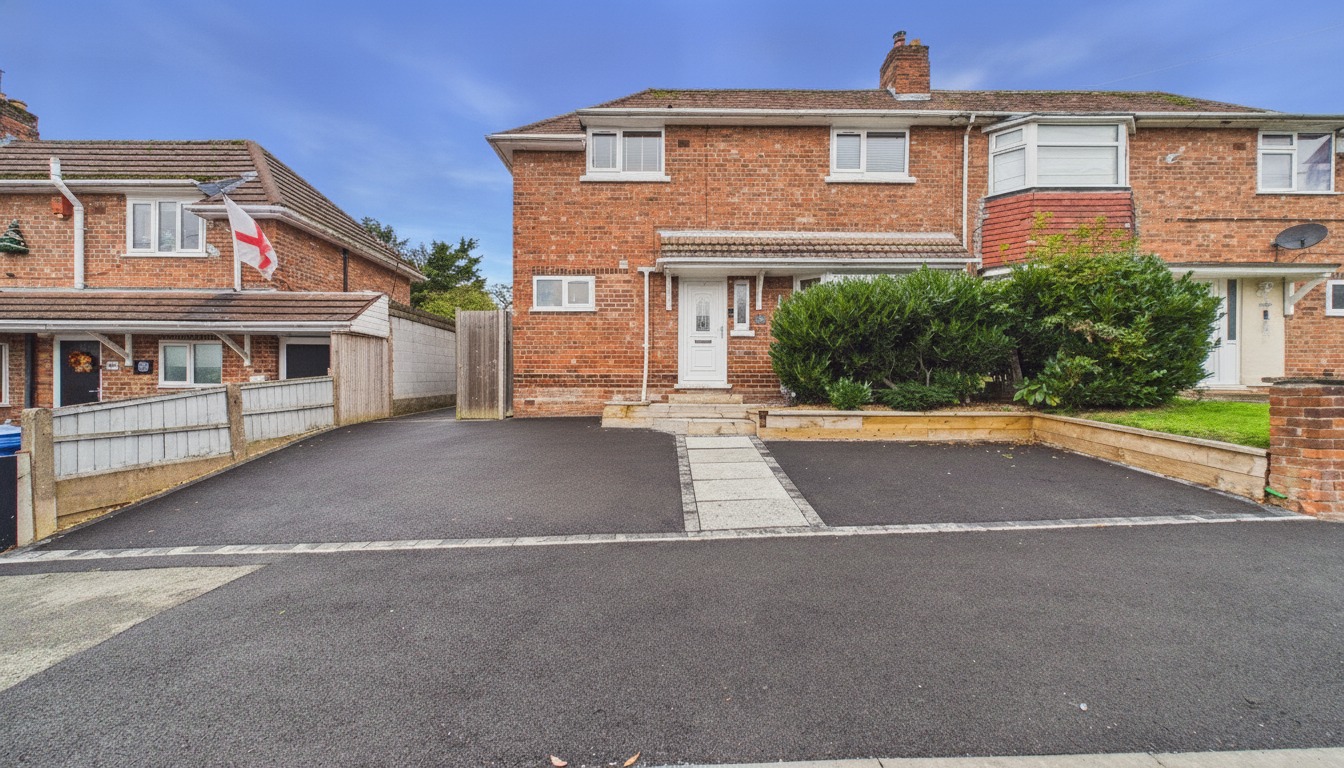

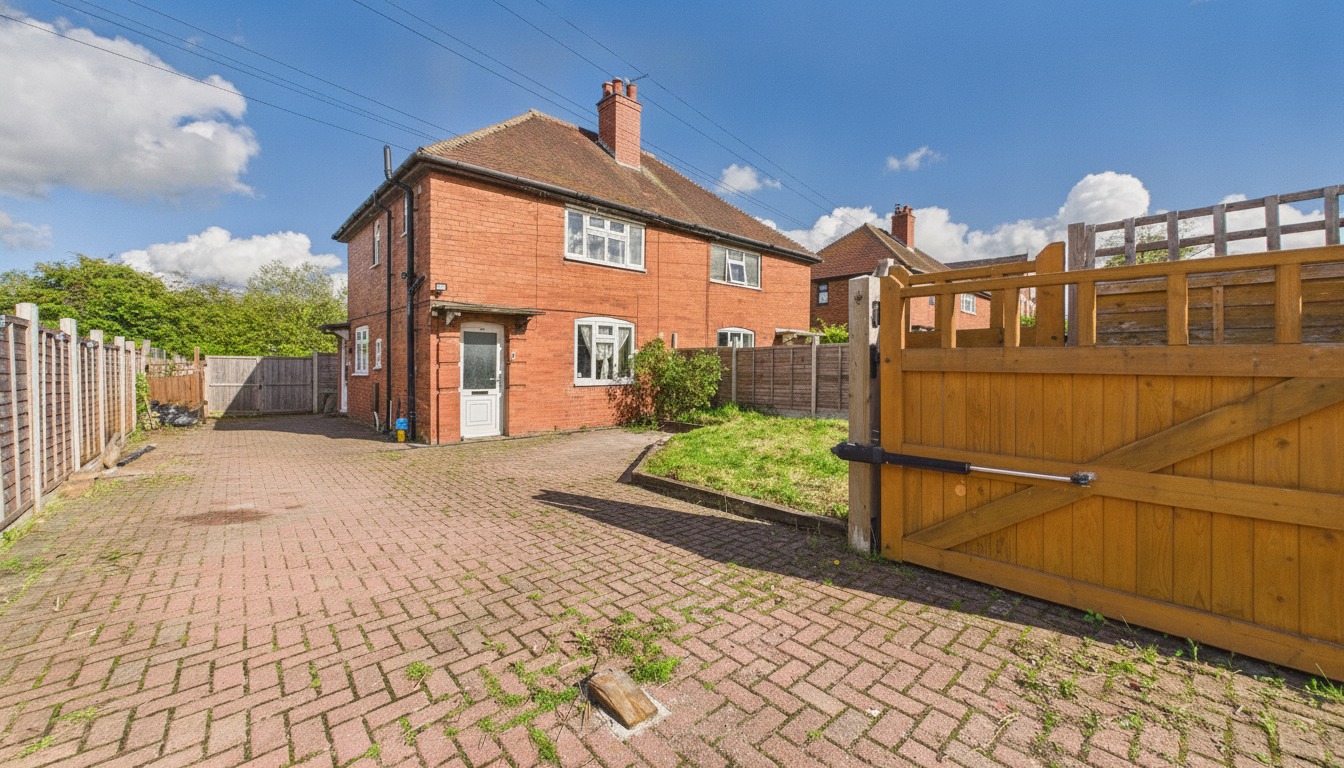


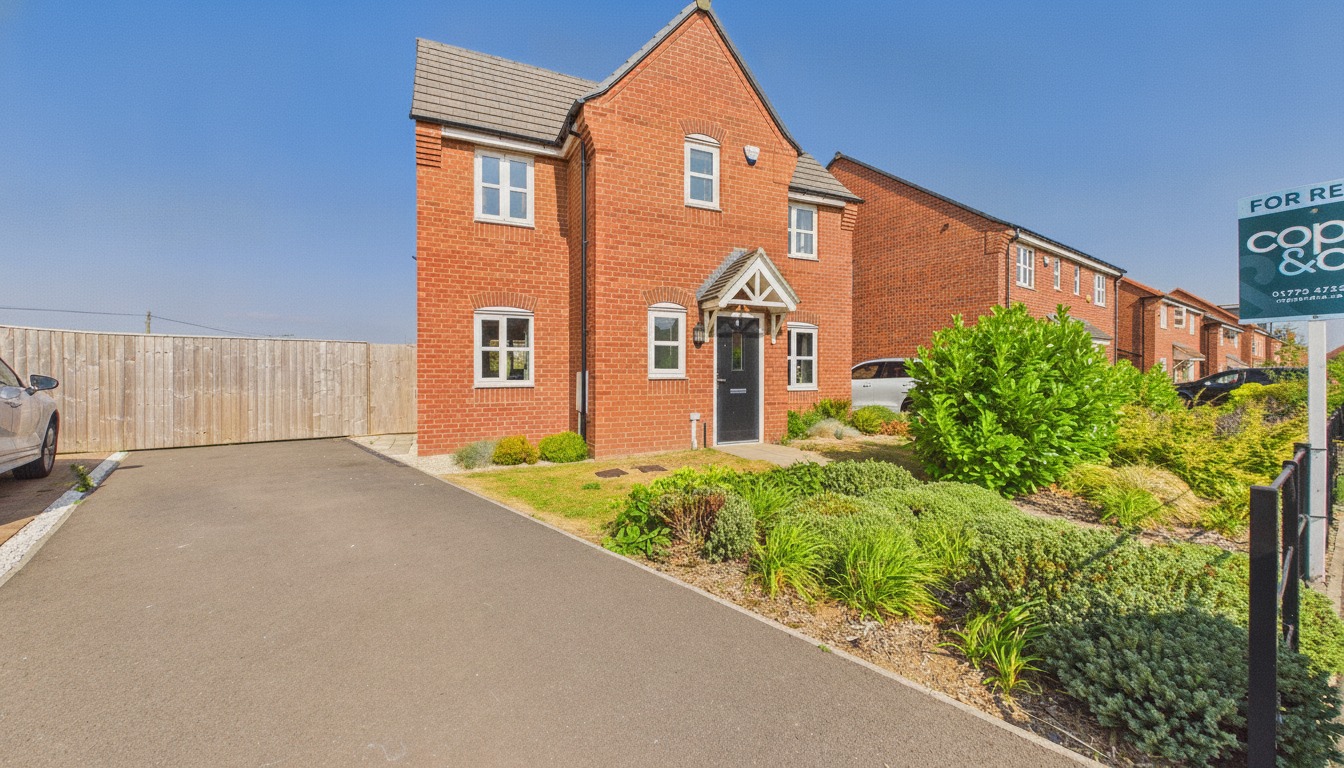
WHAT OUR CUSTOMERS SAY


OUR BUYER AND SELLER GUIDES

Selling With Cope&Co.

Preparing Your Home for Sale

Selling Your First Home

Buying Your New Home
COPE&CO. BLOG



EXPLORE OUR KNOWLEDGE HUB FOR ARTICLES, GUIDES, VIDEOS, AND MORE!
EXPLORE OUR KNOWLEDGE HUB FOR ARTICLES, GUIDES, VIDEOS, AND MORE!
IS THERE SOMETHING ELSE? WE'LL HELP WITH EVERYTHING WE CAN.
Frequently Asked Questions
The first step is understanding your budget. Speak to a mortgage adviser or lender, check your deposit, estimate moving costs and get an agreement in principle before viewing seriously. Once you know your buying position, you can search for homes that fit your budget and make stronger offers. Sellers are more likely to take you seriously if your finances are prepared.
Many buyers aim for at least 5% to 10% of the purchase price, but the right deposit depends on mortgage availability, interest rates, lender criteria, credit history and affordability. A larger deposit can sometimes improve your mortgage options. Remember to budget for Stamp Duty (at the prevailing rates), solicitor fees, surveys, removals, insurance and any immediate repairs or furniture.
A mortgage agreement in principle is an indication from a lender of how much they may be willing to lend, subject to full application, valuation and checks. It is not a guaranteed mortgage offer, but it helps show sellers you are serious. Many estate agents will ask for proof of funds or an agreement in principle before recommending your offer to a seller.
Stamp Duty Land Tax applies to many residential property purchases in England and Northern Ireland above the relevant threshold. The amount depends on purchase price, whether you are a first-time buyer, whether you own another property and whether surcharges apply. Because SDLT rules can change and calculations can be more complex for additional homes, companies, non-UK residents and shared ownership, buyers should check the current calculator or ask their solicitor.
First-time buyers may qualify for relief, depending on the property price and current rules. However, not every first-time buyer pays no SDLT, especially where the property price is above the relief threshold. Check before offering, because Stamp Duty can significantly affect your cash needed to move.
Buyers should budget for deposit, SDLT, conveyancing, searches, survey, mortgage valuation, broker fees, removals, insurance, leasehold notices if applicable and any immediate works. First-time buyers often underestimate the extras beyond the deposit. A clear budget helps avoid stress later. It also helps you decide whether to offer at asking price, below asking price or keep money back for repairs.
Conveyancing is the legal process of transferring ownership to you. Your solicitor or conveyancer checks the contract, title, searches, mortgage conditions, enquiries, deposit, exchange and completion. It protects you by identifying legal issues before you become the owner. This is especially important with leasehold homes, rights of way, extensions, planning matters and restrictions.
Common searches include local authority, drainage and water, environmental and sometimes mining or location-specific searches. Searches reveal information not always obvious from viewing, such as planning matters, highways, drainage, flood risk or contamination. Your solicitor will advise which searches are appropriate for the property and area.
A survey is strongly recommended. A mortgage valuation is for the lender’s benefit and may not give you detailed information about condition. The right survey depends on the property’s age, construction and condition. Older, extended or visibly altered homes may justify a more detailed survey.
Freehold usually means you own the property and land outright. Leasehold means you own the property for the remaining term of the lease, subject to lease terms, ground rent, service charges and management rules. Buyers should pay close attention to lease length, service charges, major works, restrictions, ground rent clauses and management company information.
Make your offer through the estate agent and include your position clearly: mortgage agreement, deposit, chain status, solicitor details and preferred timescale. A well-qualified offer can be more persuasive than a vague higher figure. Your agent will put the offer to the seller. Estate agents must handle offers properly and in line with professional obligations.
Until exchange of contracts, the sale is not legally binding. This means a seller could accept another offer, and a buyer could withdraw or renegotiate. To reduce risk, move quickly: instruct your solicitor, book your survey, submit your mortgage application and keep communication open.
Chain-free means the buyer or seller is not dependent on another property sale or purchase to complete. Chain-free transactions can be simpler and sometimes faster. However, chain-free does not guarantee success. Mortgage, survey, legal and title issues can still cause delays.
At exchange, the contract becomes legally binding, the completion date is set and the buyer usually pays a deposit through their solicitor. After exchange, pulling out can have serious financial consequences. You should not exchange until your mortgage offer, survey, searches, enquiries, buildings insurance and completion arrangements are ready.
On completion day, the purchase money is transferred, ownership changes and you can collect the keys once the seller’s solicitor confirms completion. The estate agent will release keys when authorised. Your solicitor will then deal with SDLT submission and Land Registry registration where required.
Fixtures and fittings should be confirmed in the fittings and contents form. This sets out what is included, excluded or available by separate negotiation. Check this carefully before exchange. Do not assume appliances, curtains, light fittings, sheds or garden items are included unless confirmed in writing.
Yes. New build purchases often involve reservation fees, developer deadlines, build completion estimates, warranties, snagging and sometimes leasehold or estate management charges. Mortgage offers may need careful timing if completion is delayed. Use a solicitor experienced in new build conveyancing and check the warranty, planning, roads, drainage, service charges and completion arrangements.
Yes, but you need the right mortgage, insurance and tax advice. Buy-to-let affordability is assessed differently from a residential mortgage, and landlords must comply with rental legislation from day one. Given the Renters’ Rights Act changes, new landlords should understand assured periodic tenancies, possession grounds, rent increase rules, deposit protection and safety duties before buying.
Look beyond décor. Check roof condition, windows, heating, water pressure, signs of damp, cracks, electrics, storage, parking, noise, garden orientation, mobile signal, broadband, nearby roads and local amenities. Ask about tenure, council tax, EPC rating, service charges, restrictions, boundaries, planning history and why the seller is moving.
Cope & Co. can help buyers understand local areas, arrange viewings, explain seller expectations, submit offers, liaise with solicitors and support the journey to completion. For buyers searching “houses for sale in Derby” or “Estate Agent near me”, local knowledge can make the process much easier. A good estate agent helps buyers make confident decisions while keeping the seller properly informed.