


FOR LANDLORDS
ARE YOU GETTING MARKET RENT?
Achieving market rent isn’t just about income - it’s about making sure your property is working for you. Undercharging can quietly eat into your profits, while overpricing can lead to longer voids and missed opportunities. At Cope & Co., we make sure your rent reflects current demand, property condition and local trends - keeping your investment on track.
With tighter regulations on the horizon, future rent increases will become more limited and heavily scrutinised. That’s why staying in line with the market now is more important than ever. We combine expert insight with up-to-date data to help you maximise returns - before restrictions make it harder to catch up.
WHAT DO LANDLORDS WANT FROM AN AGENT?
At Cope & Co., we believe that landlords want more than just a great tenant - they want care, comfort, and confidence in the day-to-day running of their property. From careful tenant selection to responsive management and watertight compliance, we take the stress out of letting so you can feel reassured at every step.
With the rental landscape constantly changing, landlords need an agent that is adaptable, proactive and prepared for any new legislation.
We also understand that every landlord is different. That’s why our approach is flexible and designed around you. Whether you want hands-on updates or hands-off peace of mind, our team works with care and clarity to protect your property and your priorities. Letting shouldn’t feel like a gamble - it should feel like a partnership.

LETSIMPLE: LETTINGS REIMAGINED
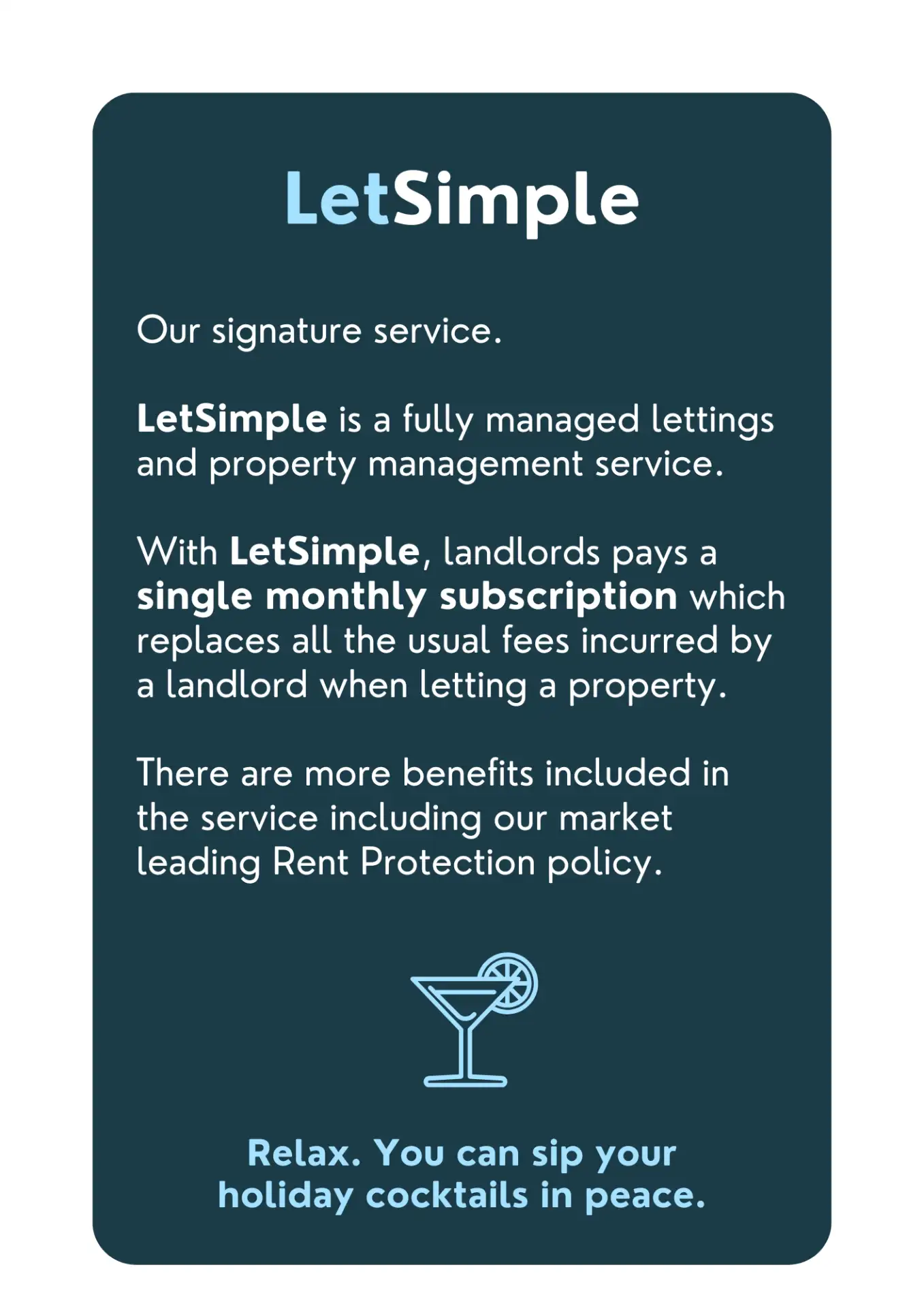
LetSimple isn’t just a service – it’s a smarter way to let. We’ve turned traditional letting agency fees on their head with a fixed monthly subscription that actually gets cheaper the longer your tenancy lasts. No percentages, no surprises – just complete transparency and increased value over time.
This innovative model rewards long-term stability while giving you everything you need in one place: expert marketing, thorough tenant referencing, ongoing inspections, repairs, legal compliance, and even includes rent guarantee insurance cover.
LetSimple is here to reduce your workload, protect your income, and bring clarity back to being a landlord – all in one monthly payment.
Simple. Fair. Forward-thinking.
LANDLORDS CASE STUDY

THE TENANT THAT WOULDN’T LEAVE
Problem: A self-managing landlord contacted us mid-crisis. Their tenant had stopped paying rent and was refusing to leave, constantly claiming delays in benefit payments. The landlord had tried to serve notice but got the dates wrong, which meant the court process was delayed and they risked starting over.
Solution: We conducted a full review of the tenancy, notices served, and communications. Working with our legal partners, we issued the correct documentation and supported the landlord through a Section 8 claim. We also carried out regular checks on the property and prepared for re-letting.
Outcome: The eviction was successful within the court timeline and we had a new, thoroughly referenced tenant lined up within the same week. Our landlord was spared further delays - and legal mistakes and now benefits from rent guarantee cover through LetSimple.

THE OVERSEAS LANDLORD WITH NO OVERSIGHT
Problem: An investor based in Dubai owned a property in Derby but had no real idea of how it was being managed. The previous agent sent occasional email updates but rarely returned calls. Maintenance costs were creeping up, inspections were being missed and the landlord felt out of touch and out of pocket.
Solution: We transitioned the property to our LetSimple service, providing regular updates, detailed photographic inspections with video reports and a dedicated WhatsApp contact for instant communication. We also reviewed the outgoings and agreed better rates for ongoing works with our database of contractors.
Outcome: The landlord now receives real-time updates and transparent financial reports. They feel in control from 4,000 miles away and have since asked us to take on a second property under management.
THE MAINTENANCE MONEY PIT
Problem: A landlord was receiving frequent calls from tenants about repairs - from dripping taps to heating failures. Each job was handled by a different contractor, often with delays, inflated prices, and no clear record of what was done. The tenant was unhappy, and the landlord felt out of control.
Solution: We took over management of the property and implemented a single-point-of-contact system for maintenance. All issues were logged via our digital reporting platform, triaged by our team, and assigned to vetted contractors at agreed rates. We also carried out a mid-tenancy inspection to identify any lingering issues early.
Outcome: The number of callouts dropped by 40%, costs were brought under control, and the tenant reported a much better experience. The landlord finally had transparency, and the property was no longer a drain on time or finances.
HOW WE GUIDE AT COPE&CO.

Book a Rental Valuation
We’ll assess your property and advise on rental value and compliance.
Choose Your Service
Pick from tenant-find or full management — tailored to your needs.
Let with Confidence
We’ll market your property, find the right tenant, and handle everything.
OUR LANDLORD PACKAGES

WHAT OUR CUSTOMERS SAY


OUR LANDLORD GUIDES

Letting With Cope&Co.

Our Property Investment Guide

Our LetSimple Guide

Selling Your Investment Property



IS THERE SOMETHING ELSE? WE'LL HELP WITH EVERYTHING WE CAN.
Frequently Asked Questions
A letting agent helps landlords prepare, market and manage a rental property. This can include rental valuation, photography, advertising, tenant enquiries, viewings, referencing, compliance checks, tenancy paperwork, deposit registration, rent collection, inspections, maintenance reporting and day-to-day tenant communication. For landlords in Derby, a good letting agent should also understand local rental demand, achievable rent levels, property type, tenant expectations and local compliance pressures. This helps you avoid under-pricing, reduce void periods and stay on top of your legal responsibilities.
Before letting a property in England, landlords should make sure the property is safe, legally lettable and properly documented. This normally includes a valid EPC, gas safety record where there is gas, electrical safety report, working smoke alarms, carbon monoxide alarms where required, deposit arrangements, Right to Rent checks and the correct written tenancy information. From 1 May 2026, new tenancy arrangements must reflect the updated assured periodic tenancy rules.
No. From 1 May 2026 , Section 21 “no-fault” evictions are no longer available for private assured tenancies in England. Landlords must now use the legal possession grounds route where they have a valid reason to regain possession, such as selling, moving back in, serious rent arrears, anti-social behaviour or another recognised ground. This makes good tenancy set-up, rent records, inspection notes and communication even more important. Landlords should not attempt to remove a tenant without following the correct legal process.
Yes, but you must use the correct legal possession ground and serve the correct notice. The Renters’ Rights Act removed Section 21 but expanded and updated possession grounds so landlords can still recover their property in legitimate circumstances. Because the rules are technical and notice periods vary depending on the ground used, landlords should take advice before serving notice. Cope & Co. can help you gather the right tenancy records, explain the process and refer you to specialist legal support if required.
For private assured tenancies in England, the Renters’ Rights Act has moved the system to assured periodic tenancies , meaning tenancies roll on rather than being locked into traditional fixed terms. This gives tenants more flexibility and removes the old fixed-term structure for private lets. Landlords should update tenancy documents, processes and expectations accordingly. Old AST templates should not simply be reused without checking they are compliant with the post 1st May 2026 rules.
Landlords can still increase rent to market level, but the rules are stricter. From 1 May 2026, rent increases for assured periodic tenants must follow the correct statutory process by serving a valid Section 13 notice and can only be done once every 12 months. Tenants also have the opportunity to challenge an increase at the First Tier Tribunal. A sensible rent review should be based on comparable local properties, condition, demand and market evidence.
Yes. If you take a tenancy deposit, it must be protected in a government-approved tenancy deposit scheme, and the tenant must be given the required prescribed information. This applies even if the deposit is paid by a third party. Failure to protect a deposit properly can lead to financial penalties and can weaken a landlord’s position if a dispute arises. A professional letting agent should handle deposit registration and paperwork as part of a compliant tenancy set-up.
Landlords and letting agents in England can only charge payments permitted by the Tenant Fees Act. Common permitted payments include rent, a capped tenancy deposit, a capped holding deposit, certain default fees and reasonable charges for tenancy changes or early termination in permitted circumstances. Anything outside the permitted categories may be a prohibited payment. This is why landlords should avoid informal “admin fees”, “referencing fees” or additional charges unless they are confident the payment is legally allowed.
Yes. Landlords in England must check that all adult occupiers have the right to rent before the tenancy starts. Checks must be carried out fairly and consistently, without discrimination, and landlords should keep proper records. A letting agent can manage this as part of tenant referencing. However, the legal responsibility is important, so landlords should make sure their agent has a robust process.
Tenants now have the right to request permission to keep a pet, and landlords cannot unreasonably refuse. You can still consider practical issues such as property suitability, lease restrictions, allergies in shared accommodation, animal welfare and potential damage risk, but a blanket “no pets ever” approach is no longer advisable. Landlords should respond to pet requests properly and keep written records of the decision. Where permission is granted, clear terms around behaviour, cleaning, garden care and damage can help protect the property.
Landlords are generally responsible for keeping the structure, exterior, heating, hot water, sanitary installations and key services in repair. Tenants should report problems promptly, but landlords must deal with repairs within a reasonable timeframe, especially where safety, heating, water, damp or electrical issues are involved. Good property management helps reduce disputes by logging maintenance reports, arranging contractors and keeping a clear audit trail.
Landlords will need a valid gas safety record if the property has gas, a valid Electrical Installation Condition Report, a valid EPC and the required smoke and carbon monoxide alarms. Gas safety checks are annual where gas appliances are present, while electrical safety inspections are generally required at least every five years. Smoke alarms must be installed on each storey used as living accommodation, and carbon monoxide alarms are required in rooms used as living accommodation that contain a fixed combustion appliance, excluding gas cookers.
An EPC rates a property from A to G and is required when a property is built, sold or rented. For most private rented properties, landlords must comply with Minimum Energy Efficiency Standards and should not let properties that fall below the legal minimum unless a valid exemption applies. Energy efficiency is increasingly important to tenants, lenders and landlords. Improving insulation, heating controls, glazing or heating systems may help attract tenants and protect long-term rental value.
Rent guarantee can be valuable for landlords who rely on rental income to cover mortgage payments, maintenance or living costs. It may provide protection if a tenant falls into arrears, although cover depends on the policy terms, referencing criteria and exclusions. Landlords should compare rent guarantee options carefully. The best solution is usually a combination of thorough referencing, good tenancy management, clear arrears processes and appropriate rent guarantee insurance.
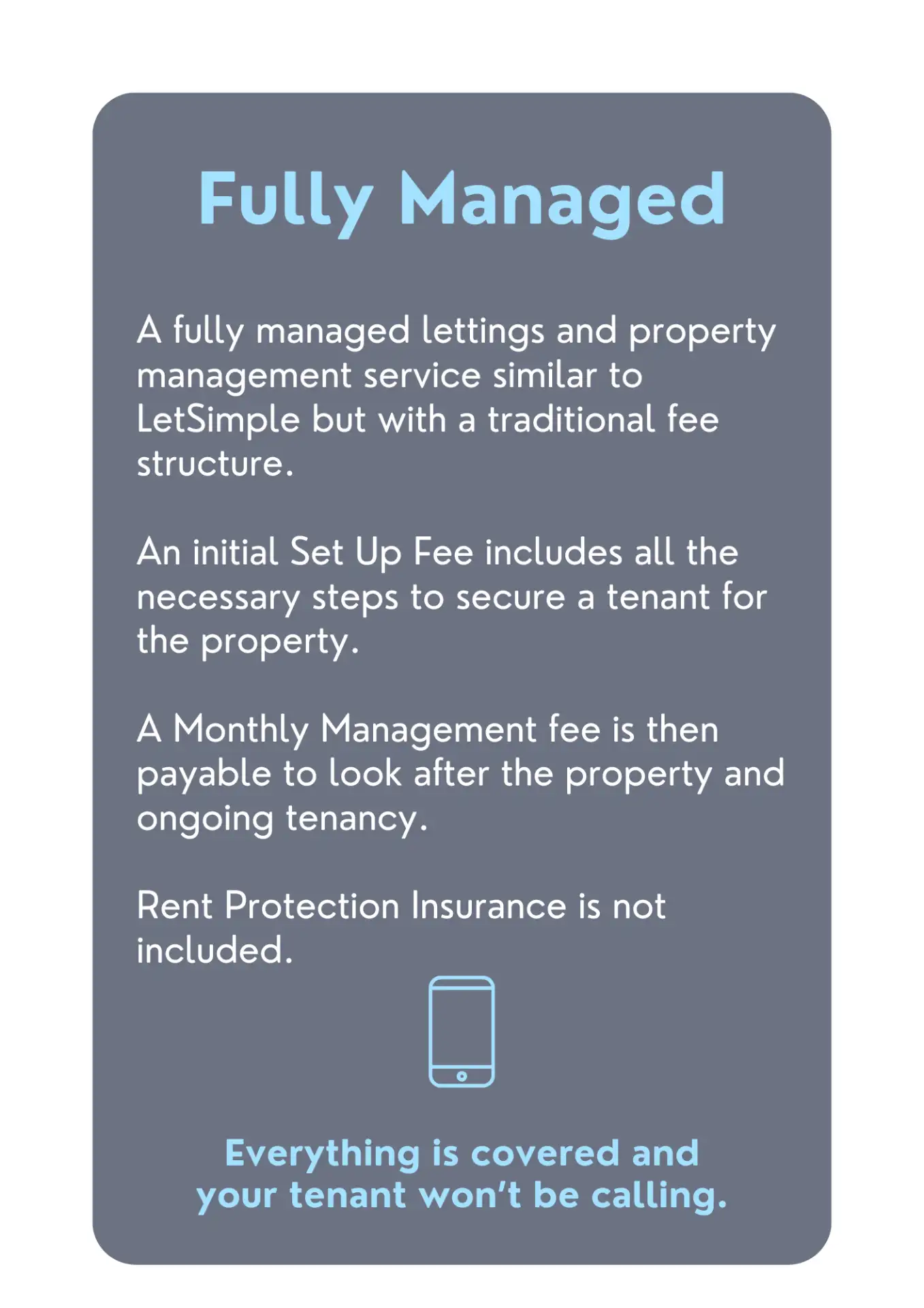
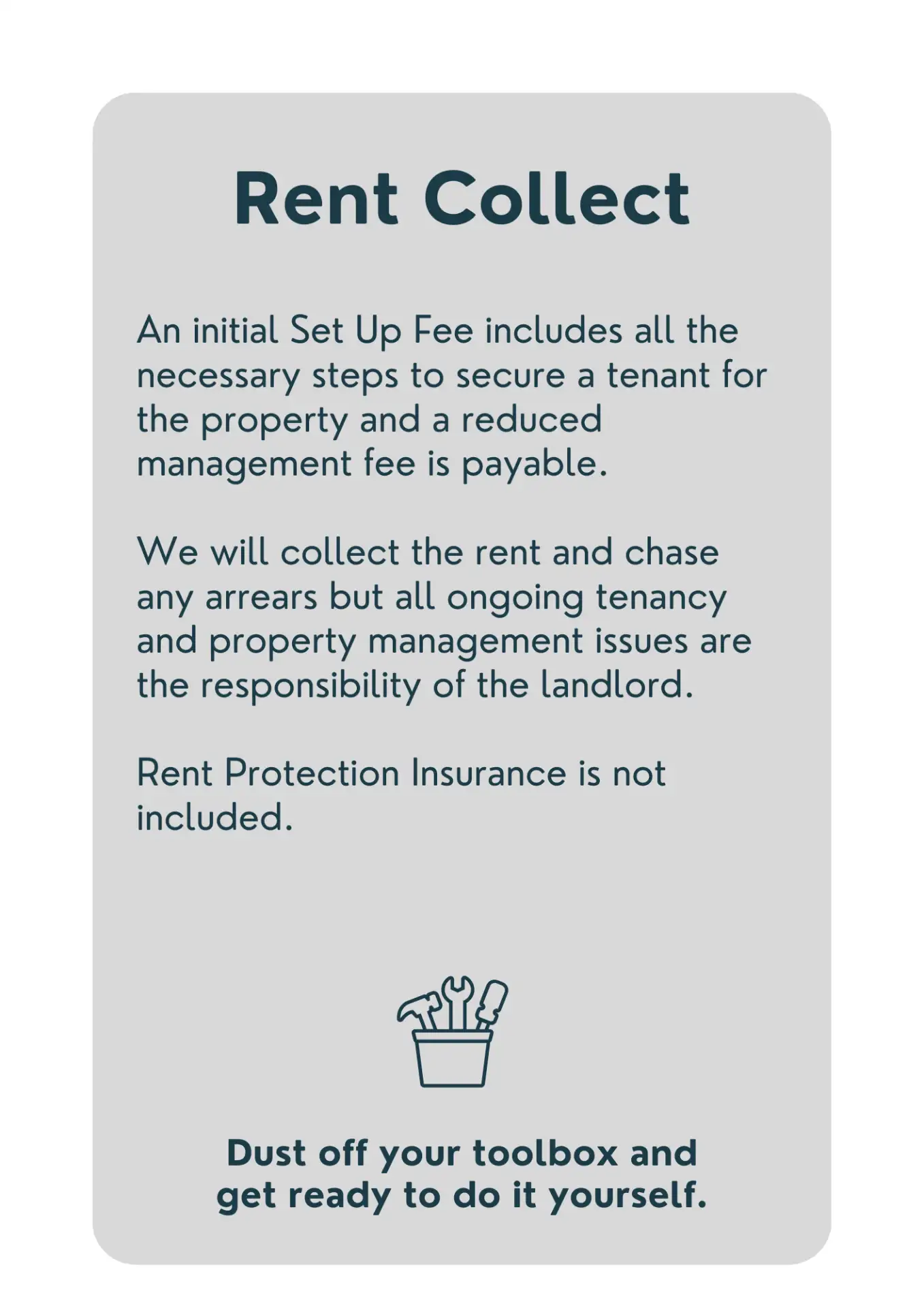
Let-only may suit experienced landlords who are confident handling repairs, rent collection, compliance, inspections and tenant communication. Fully managed service is usually better for landlords who are busy, live away from the property, own multiple properties or want professional support with changing legislation. Given the Renters’ Rights Act changes, many landlords are reviewing whether self-management still gives them enough protection. A fully managed service can reduce risk by keeping compliance, documentation and communication more consistent.
Good tenant selection starts with accurate marketing, realistic pricing, quality photography, clear property information and a strong viewing process. Referencing should normally check identity, income, employment, credit history, landlord references and Right to Rent status. However, landlords and agents must avoid discriminatory practices. The Renters’ Rights reforms strengthened protections around renting with children and benefits, so decisions should be based on affordability, suitability and evidence rather than blanket exclusions.
Yes, a detailed inventory is strongly recommended. It records the condition, cleanliness, fixtures, fittings, furniture, appliances, keys, meters, gardens and any existing marks or defects at the start of the tenancy. Without a clear inventory, it is much harder to prove damage or cleaning issues at the end of the tenancy. A professional inventory also helps reduce disputes and supports fair deposit deductions.
Many landlords inspect every three to six months, depending on the property, tenancy and management arrangement. Inspections should be reasonable, properly arranged and not intrusive. Tenants are entitled to quiet enjoyment of their home, so landlords should give proper notice and avoid unnecessary visits. Inspections should focus on repairs, safety, ventilation, damp, occupancy and general condition.
You may need an HMO licence if your property is occupied by multiple unrelated people sharing facilities. Mandatory HMO licensing applies to many larger shared houses, and local councils can also operate additional or selective licensing schemes. Because licensing rules can vary by local authority, Derby landlords should check the latest Derby City Council position before letting to sharers. Getting this wrong can lead to serious penalties and rent repayment risks.
Yes. Rental income is taxable, although landlords may be able to deduct certain allowable expenses. Tax treatment can depend on ownership structure, mortgage interest rules, repairs, furnishings, capital allowances, company ownership and whether the property is furnished holiday accommodation or a standard residential let. Landlords should use an accountant for tax advice. A letting agent can provide rental statements, but they cannot replace professional tax guidance.