

Leasehold Reform is Coming. What Does It Mean for Landlords?
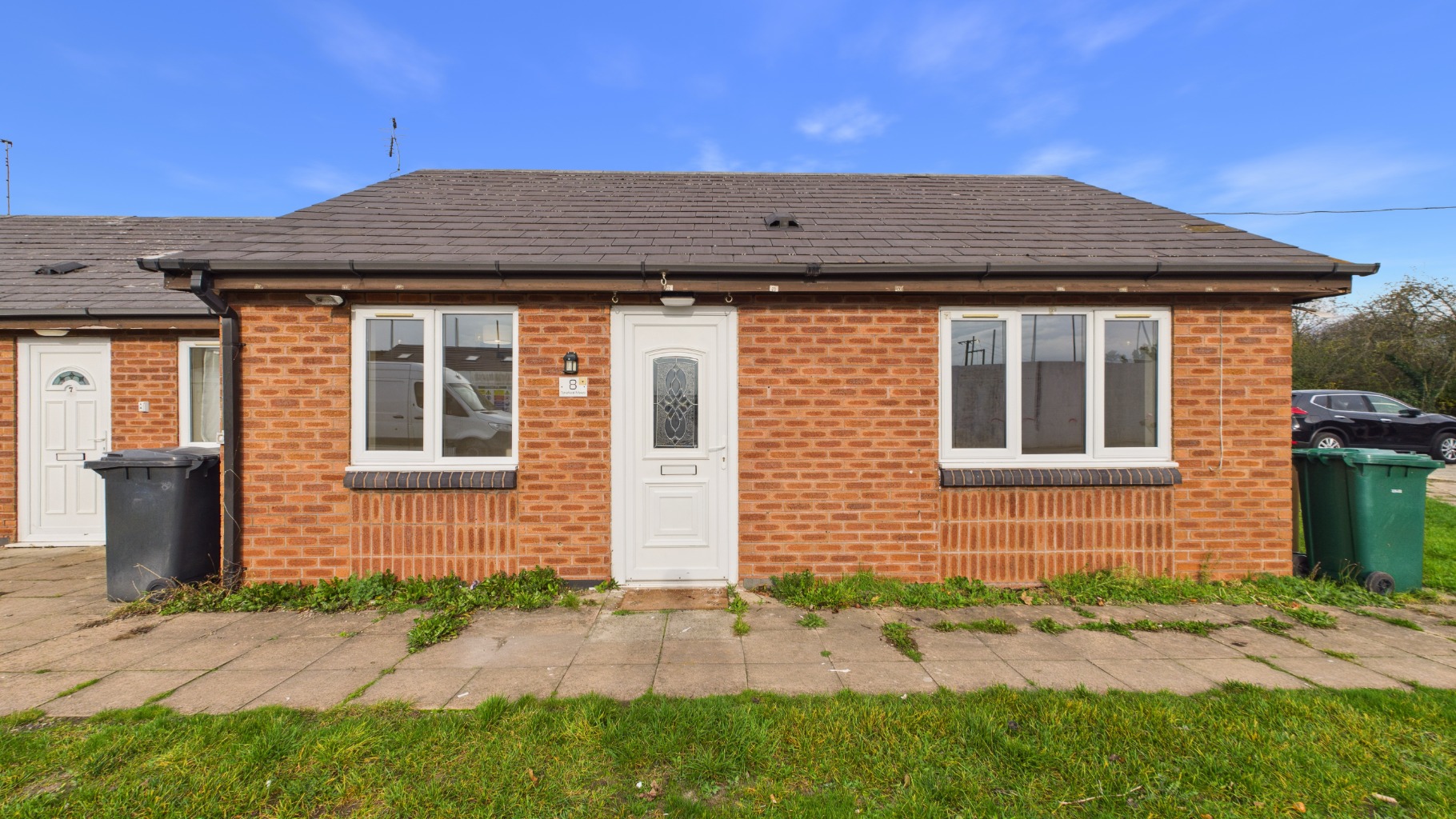
Two similar flats on the same Derby street. One has a short lease and rising ground rent. The other has clear accounts and money set aside for repairs. Which one would you pay more for? We look at how the proposed leasehold reforms could change the sums for landlords, what buyers might be willing to pay and why the way a block is run still matters.
The government’s controversial Commonhold and Leasehold Reform Bill is has now been put before Parliament. The Bill details landmark laws to end the 1,000-year-old leasehold system.
For this blog I want to look at the proposed reforms from the perspective of a flat/apartment owner as these properties will be the ones most affected by the Bill.
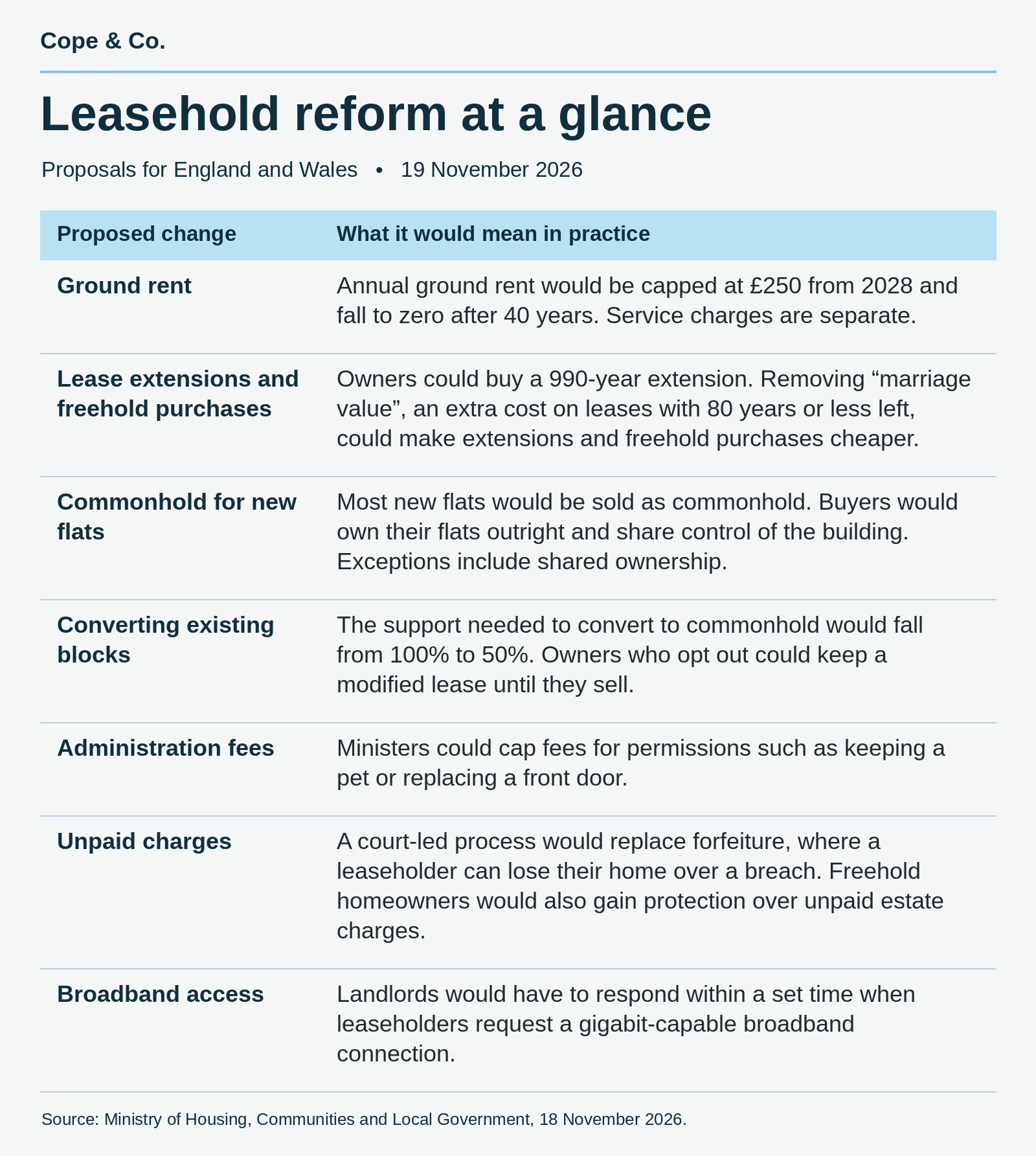
Leasehold reform at a glance
The Government’s plans cover two things that matter to anyone who owns a flat; how much it costs to own and who gets to make decisions about the building. The Commonhold and Leasehold Reform Bill proposes the following changes for England and Wales.
Imagine two similar flats for sale on the same Derby street. One comes with clear accounts, money set aside for repairs and a ground rent that stays the same. The other has a ground rent that doubles periodically and a roof that everyone knows needs attention. Which would you buy? How much less would you offer for the second?
That’s where leasehold reform gets interesting.
For landlords who own flats in England and Wales, it could reduce some ownership costs and give them more say over their building. For sellers, the earliest benefit may be a buyer who feels confident enough to make an offer and stick with it.

What would change for flat owners?
Ground rent could fall. The Government intends to cap ground rent on existing residential leases at £250 a year from 2028, reducing it to zero after 40 years.
For a buy-to-let landlord paying £500 a year, that would mean a £250 annual saving once the cap takes effect. Someone already paying a fixed £100 would see no immediate saving. The Bill still has to pass, so anyone budgeting for next year should use the figure currently stated in their lease.
Short leases could become cheaper to extend. The Bill would clear the way for 990-year extensions and the removal of marriage value. That’s the extra element of the extension price that can apply when a lease has 80 years or less remaining.
If your flat has 82 years left and you’re weighing up a sale, get a specialist estimate under today’s rules before deciding whether to wait. The timing is obviously the key, and the new extension terms are still to come.
Commonhold would become the norm for most new flats. Under commonhold, you own your flat indefinitely and the owners collectively control the building. Existing blocks would have an easier route to convert, with the proposed support threshold falling from unanimity to 50%.
Owners who do not agree could keep a modified lease until they sell. The Bill also proposes a court-led replacement for forfeiture, the process through which a leaseholder can lose their home for breaching the lease.

For landlords, the service charge is just as important
If you let out a leasehold flat, you wear two hats. Your tenant pays rent to you. You, in turn, pay the charges due under your lease. When ministers talk about requiring “landlords” to issue clearer service charge bills, a buy-to-let owner will often be the person receiving that clearer bill. If you also own the freehold and collect charges from other flat owners, you may be the person responsible for providing it.
Separate regulations under the 2024 Act have their own timetable. In England, the Government is targeting 1st April 2027 for stronger rights to request information about spending, insurance and repairs, alongside fairer rules on legal costs when charges are challenged.
From 1st November 2027, private-sector leaseholders are due to receive standardised service charge demands, annual reports and accounts, plus clearer insurance information. Some of the regulations still require parliamentary approval.
Why does that matter, I hear you say? Say your ground rent falls by £250 but your share of the service charge rises by £600. You’re still £350 a year worse off. Clear accounts give you a chance to understand what drove that increase. A higher bill because the block is sensibly saving for a roof replacement tells a very different story from one that rises by the same amount while the roof fund stays empty.

So what could happen to flat prices in Derby?
There’s already a gap worth a mention. In September 2026, the provisional UK House Price Index put the average price of a Derby flat at £111,000, up 1.5% over the year. Semi-detached homes in the city rose 5.9% over the same period. Those are completed-sale figures from before this Bill. They show how differently parts of the same local market can perform. They can’t tell us how much of that gap, if any, leasehold reform might close.
I’d expect the greatest potential benefit where buyers currently have a specific reason to offer less. Take a flat with 76 years left on its lease. A buyer has to allow for the cost of an extension and the uncertainty of arranging it. If that cost comes down and becomes easier to establish, the seller has a better chance of holding their price. A flat with 950 years left, negligible ground rent and clear accounts has much less to gain from those same changes.
For anyone selling a flat in Derby or Alfreton today, the most useful step is already within reach. Before the first viewing, establish the remaining lease term, the ground rent and its next review, the current service charge, what’s in the reserve fund and whether major works are planned. When a buyer asks, “What’s this place actually going to cost me?”, you can give them an answer they can use.

My thoughts
If you’ve bought a flat and you’re paying to maintain the building, you deserve to see where the money goes and have a meaningful say in how it’s spent. That matters just as much to the landlord who owns one rental flat as it does to the person who lives next door.
Would I put a Derby apartment on the market for more tomorrow because of this Bill? No. I would, however, expect a well-run block to become easier to recognise and a poorly run one harder to disguise, and I’d happily explain a healthy service charge that pays for a sound maintenance plan. The harder conversation is explaining five years of low bills followed by a letter asking every owner for their share of a new roof!
For me, the real benefit is a buyer being able to look at a flat, understand what they’re taking on and make a fair offer with confidence. For plenty of owners, getting that offer safely through to completion would be worth far more than another few thousand pounds on the asking price.
Remember, this is a proposed Bill at this point and it has to jump through the parliamentary hoops before it becomes law... we'll keep you updated along the way.