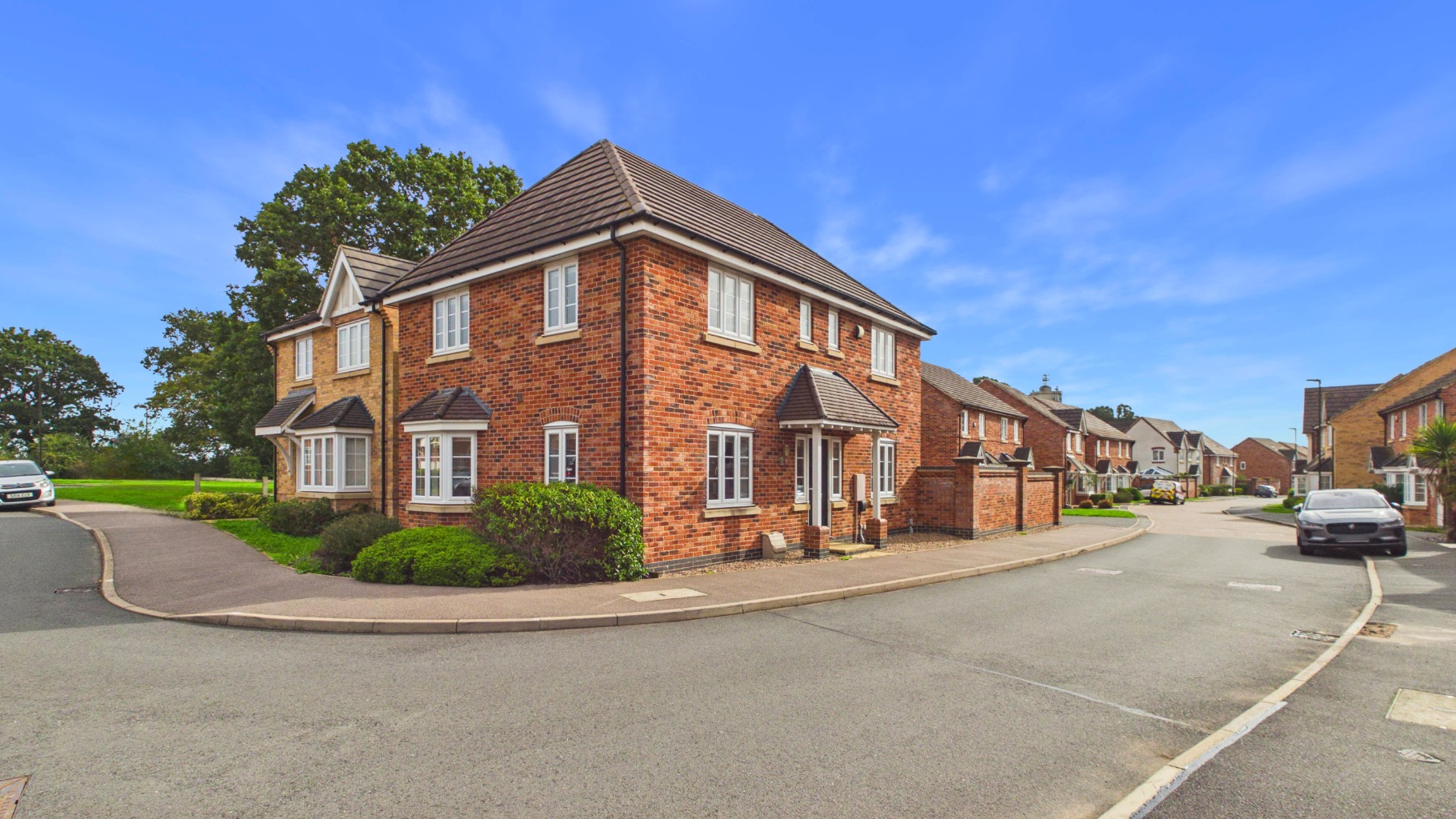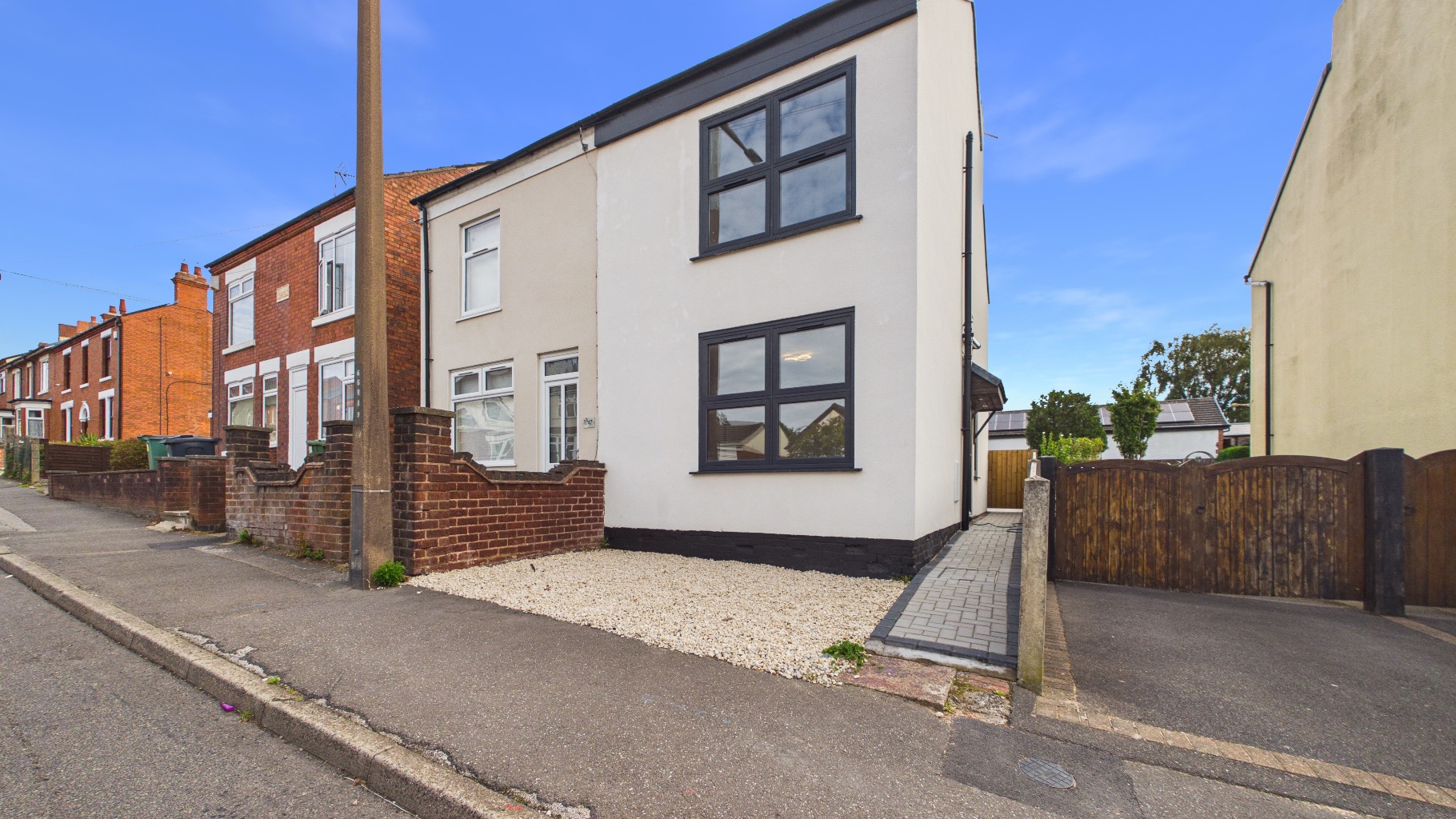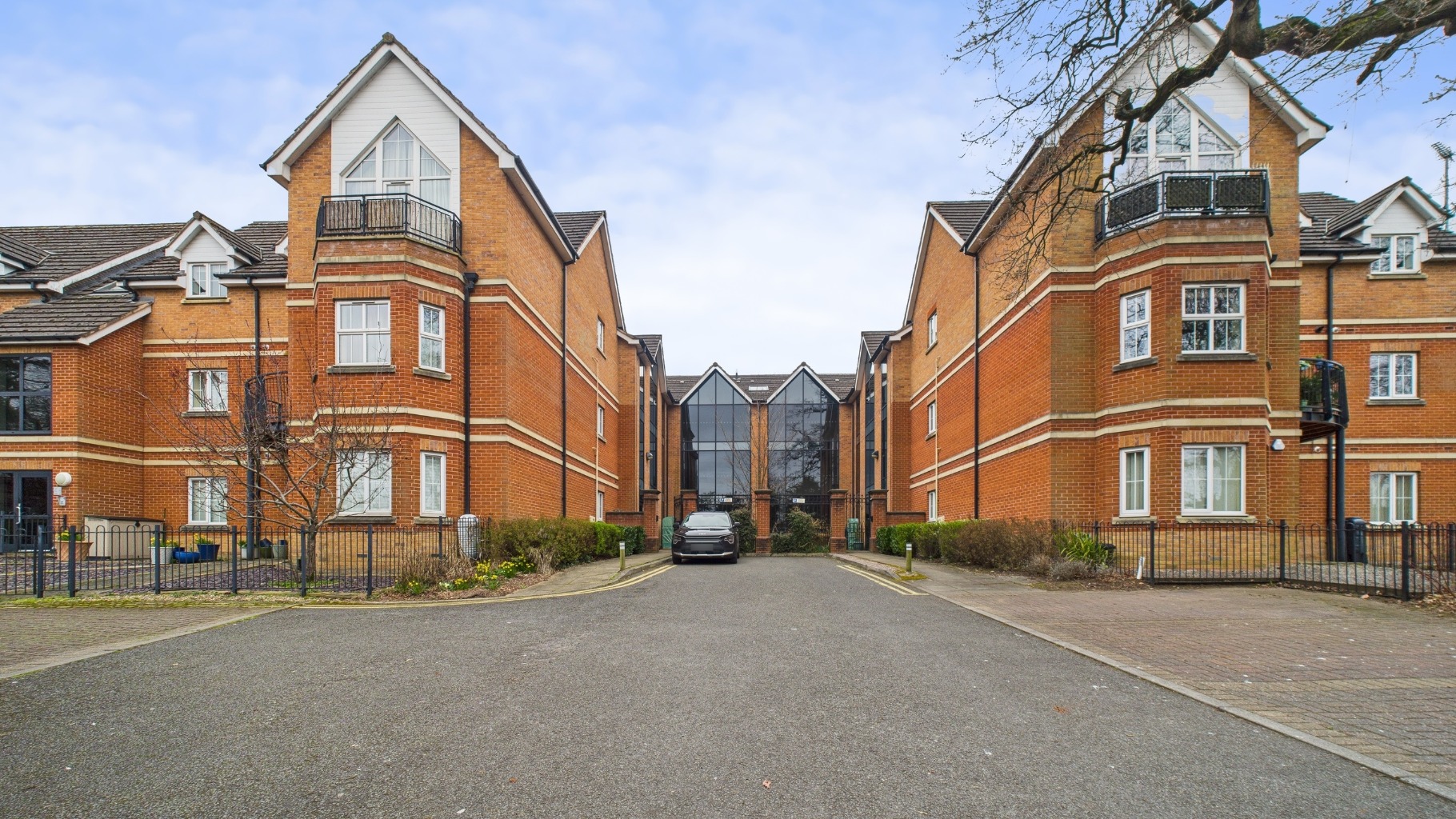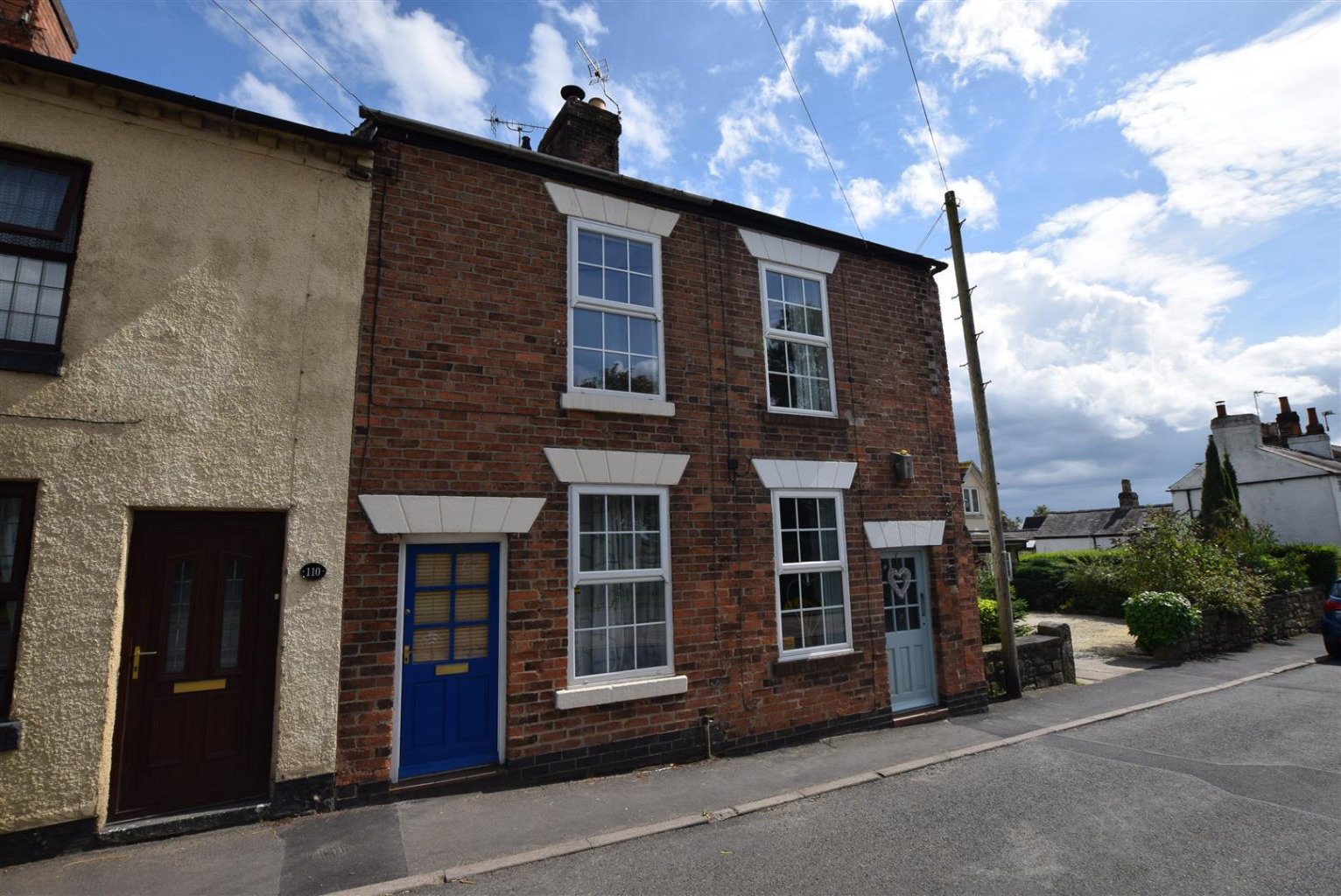


The Alfreton House Price Crash That Hasn’t Happened
Predictions of an Alfreton house price crash keep making headlines, but the local data tells a calmer story. Homes are taking longer to sell, and buyers have more choice, yet more than half of properties on the market have already found a buyer. We look at whether this is really a crash,or simply a more balanced market for buyers and sellers today.
Every few weeks, another headline appears suggesting that house prices are about to crash.
The explanation changes. One month, mortgage rates are to blame. The next, it is inflation, political uncertainty or events overseas. More recently, tensions in the Middle East have been linked to higher borrowing costs and weaker buyer confidence.
For homeowners thinking about selling, and buyers wondering whether to wait, these headlines can make it difficult to know what to do.
However, as a trusted estate agent in Alfreton, I believe that the evidence tells a more measured story. The market is not booming. Homes are taking longer to sell than they did during the exceptional post-pandemic period. Buyers have more choice, they are comparing properties more carefully and sellers are facing greater competition.
However, there is a considerable difference between a housing market slowing down and a housing market crashing.

What Does a House Price Crash Actually Look Like?
House price crashes are rarely caused by higher mortgage rates alone. The downturns between 1988 and 1992, and again between 2007 and 2011, were driven by something more serious, large numbers of homeowners being forced to sell.
Unemployment rose. Repossessions increased. Mortgage lending became harder to obtain and many households could no longer afford to remain in their homes. As distressed properties entered the market, the supply of homes for sale began to overwhelm the number of people who were able to buy them. That combination placed significant downward pressure on prices.
Today’s Alfreton market isn't experiencing those conditions. Mortgage costs remain an important concern, but there is currently little evidence of the widespread forced selling normally associated with a major property crash.
To understand why, it helps to look at two areas: local employment and the balance between properties for sale and properties finding buyers.

What Is Happening to Unemployment?
The unemployment figure used for the Amber Valley constituency currently stands at 3.0%, compared with 2.8% 12 months ago. Nationally, the figure is 4.9%. That is 0.3 percentage points higher than a year earlier, although it is also 0.3 percentage points lower than in the latest quarter.
These figures should still be monitored carefully. However, they do not currently point towards the level of widespread job losses that would normally result in large numbers of Alfreton homeowners being forced to sell.
Without that wave of distressed sales, the conditions needed for a substantial house price crash are much harder to create.
So, is Alfreton a Buyers’ Market or a Sellers’ Market?
This is where the picture becomes more interesting. The terms buyers’ market and sellers’ market are often used as though every property is experiencing exactly the same conditions. In reality, the market is more nuanced.
A sellers’ market exists when demand from proceedable buyers is relatively strong compared with the number of homes available. A higher proportion of properties will usually be sold subject to contract or under offer, and correctly priced homes are more likely to attract interest quickly.
That does not mean every seller can name their price. An overpriced or poorly presented property can still struggle, even when the wider market favours sellers.
A buyers’ market develops when the number of available homes is greater than the level of active demand. Buyers have more properties to compare, more time to make decisions and, in many cases, greater scope to negotiate. Sellers must compete more actively on price, condition, presentation and flexibility.
A buyers’ market does not automatically mean prices are crashing. It may simply mean sales take longer, asking prices become more realistic and negotiations become more common.
One useful way to assess the balance is to compare the number of homes marked as Sold STC or Under Offer with the total number being marketed. We use this sales ratio as an indicator of whether buyers or sellers currently have the stronger position.
So the ratio is calculated as Number of SSTC properties / Total number of Available Stock - we use Rightmove for this and you can easily get these figures for your area, price band and, even more accurately, a chosen property type.
Dividing the SSTC by Available stock will give you a percentage and here’s the scale that we use:
0 - 20%: Extreme Buyers’ Market
21 - 29%: Buyers’ Market
30 - 40%: Balanced Market
41 - 49%: Sellers’ Market
50 - 59%: Hot Sellers’ Market
60%+: Extreme Sellers’ Market
Alfreton Is Seller-Leaning, but It Is Not Overheated
I've used a much larger area for the following calculations as I think that just using the DE55 postcode doesn't show the wider, local picture.
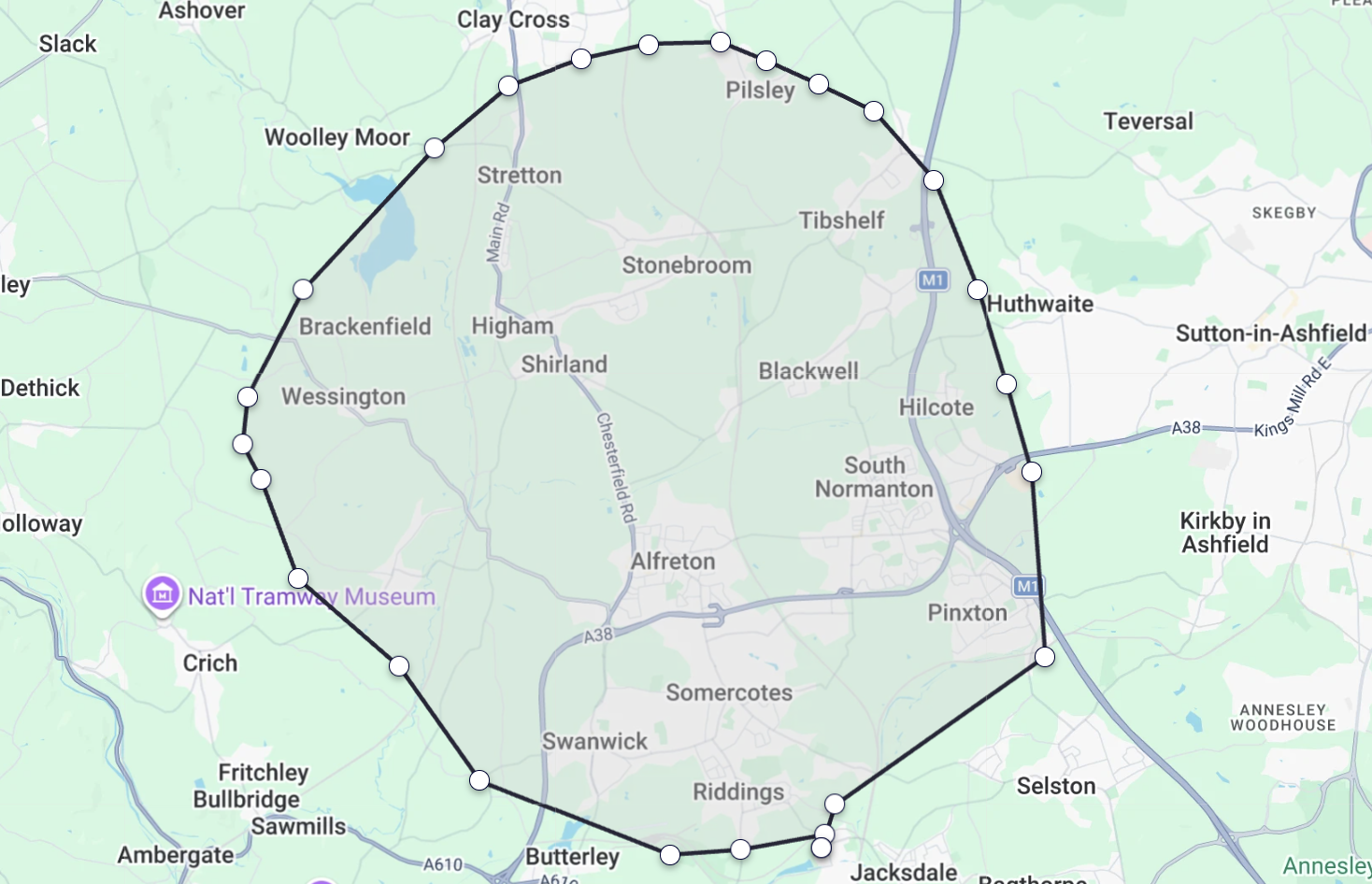
So, in the area above at the time of writing this blog, there are currently 884 homes being marketed in my chosen area, of which 379 are Sold Subject to Contract. That means 42.8% of the properties on the market have already found a buyer. I used a maximum price of £600,000.
Using the scale above, Alfreton remains a sellers’ market (just!).
However, this is not the fast-moving sellers’ market experienced during 2021 and early 2022. Buyers are no longer competing for almost every suitable home as soon as it appears online.
Instead, Alfreton has a seller-leaning market in which buyers still have meaningful choice and it's important to recognise the distinction here. The market can favour sellers overall while still giving buyers more time to compare homes, ask detailed questions and negotiate where a property has been priced too ambitiously.
It can also vary considerably by property type, price range and location. A well-presented family home on a popular road may attract several interested buyers, while an overpriced property nearby may sit on the market for months.
The label is useful, but it should never replace a proper assessment of the individual home.

Why Are Alfreton Homes Taking Longer to Sell?
The average Alfreton home currently takes approximately 91 days from first coming to market to finding a buyer. In 2022, that figure was around 55 days.
At first glance, the increase may appear concerning. However, 2022 was not a normal housing market. Buyer demand was unusually strong, available stock was limited and many properties attracted attention almost immediately.
Today, approximately 746,000 homes are on the market across the UK, compared with around 481,000 in July 2021. That additional choice changes buyer behaviour. People can compare more properties, take longer over decisions and discount homes that appear overpriced, poorly maintained or badly marketed.
A 91-day selling period is therefore evidence of a calmer and more competitive market. It is not, by itself, evidence of a collapse.

What Do Alfreton’s Price Reductions Tell Us?
Approximately 13.4% of the homes being marketed in Alfreton have reduced their asking price during the last month. Price reductions are sometimes presented as proof that property values are about to fall sharply. However, they often tell us more about the original asking price than the wider market.
The level of reductions currently being seen in Alfreton is broadly consistent with the pattern experienced during the past five years.
There is also an important difference between a seller adjusting an ambitious asking price and a homeowner being forced to sell because they can no longer afford their mortgage. A homeowner reducing their asking price by £10,000 to generate more interest is responding to buyer feedback. That is a market adjustment. A homeowner who has lost their income and must accept whatever offer is available is experiencing financial distress.
At present, there is very little evidence that the Alfreton market contains enough distressed sellers to trigger the type of rapid price fall associated with previous crashes.

How Property Markets Usually Adjust
Property does not behave in the same way as the stock market. Share prices can rise or fall dramatically within hours. Housing markets tend to adjust much more slowly.
When conditions become more difficult, the first change is often a reduction in the number of transactions. Properties take longer to find buyers. Negotiations become more detailed. Sellers become increasingly price-sensitive and more homes are withdrawn or relaunched at revised asking prices.
This process can continue for months or even years without producing a sudden nationwide fall in values. It may not generate dramatic headlines, but gradual adjustment is far more common than an immediate property crash.
Many people assume housing affordability can only improve if property prices fall significantly. That's not necessarily the case.
Affordability can also improve when wages rise while house prices remain broadly stable. Inflation can gradually reduce the real value of existing housing costs, and lower mortgage rates would improve the monthly affordability of new borrowing.
Much of the adjustment in Alfreton during the past two years has taken this quieter form. Property prices have broadly moved sideways while household incomes have continued to rise. The result is a slow improvement in affordability rather than the dramatic correction repeatedly predicted in national headlines.

What Does This Market Mean for Alfreton Sellers?
Alfreton sellers still have an opportunity, but success shouldn't be taken for granted.
Buyers are active, yet they are more selective than they were during the post-pandemic market. They are comparing asking prices, condition, energy efficiency, room sizes, parking and outside space. They can also see how long a property has been advertised and whether its price has previously been reduced.
The first few weeks of marketing are therefore extremely important. A realistic asking price, strong photography, an accurate floorplan and a clear presentation of the home’s best features can create early momentum. An inflated asking price can have the opposite effect, reducing enquiries and encouraging buyers to question why the property has not sold.
Being realistic does not mean underselling your home. It means positioning it properly against the properties with which it is genuinely competing.
What Does It Mean for Alfreton Buyers?
For buyers, today’s calmer market provides a little more breathing space.
There is generally more time to compare properties, consider running costs, arrange surveys and negotiate where a home requires work or has been available for a prolonged period. However, the strongest properties are not necessarily sitting unsold. A correctly priced home in a desirable part of Alfreton can still attract several interested buyers. Anyone who needs a mortgage should therefore have an agreement in principle prepared, understand their budget and be ready to demonstrate that they can proceed.
Buyers have more influence than they did in 2021 and early 2022, but preparation still matters when the right home appears.

So, Is an Alfreton House Price Crash Likely?
No property market is completely protected from economic change.
Mortgage rates, employment, confidence and lending conditions all influence the number of people able and willing to move. Some Alfreton homes will take longer to sell, some asking prices will need to be adjusted and not every seller will achieve the figure they initially hoped for.
However, the evidence currently points towards a market that is adjusting rather than dropping like a stone.
Just under half of the homes being marketed have already found a buyer. Local unemployment remains relatively low and there is little indication of the widespread forced selling normally required to produce a major house price crash.
The most likely outcome is, therefore, not a sudden fall in Alfreton property values. It is a more measured market in which buyers have greater choice, sellers face more competition and correctly priced, well-presented homes continue to move.
For anyone considering selling or buying in Alfreton, the important question is not whether the next national headline predicts a boom or a crash. It is how your particular property, price range and personal circumstances fit into the local market.
As an experienced local Alfreton estate agent, we believe that decision should be based on clear local evidence rather than guesswork. A realistic assessment of your position can help you move forward with greater confidence, whatever the wider headlines may suggest.
Give us a call!