

The ‘Kind’ Landlord Trap – And Why Good Intentions Can Hurt Everyone
Being a “nice” landlord in Derby might feel like the right thing to do. No rent increases, no awkward conversations, just stability. But sometimes kindness today creates serious problems tomorrow. When rents drift too far below market levels, the consequences for both landlord and tenant can be far more disruptive than anyone expects.
When Good Intentions Cause Long-Term Problems
Many rental issues in Derby don’t begin with bad landlords or difficult tenants. More often, they start with good intentions… and then silence...
Silence about rent reviews. Silence about maintenance. Silence about what happens when circumstances change.
It’s a pattern we see regularly as a Derby letting agent, and it often begins with what appears to be the perfect landlord-tenant relationship. Let me paint a familiar picture;
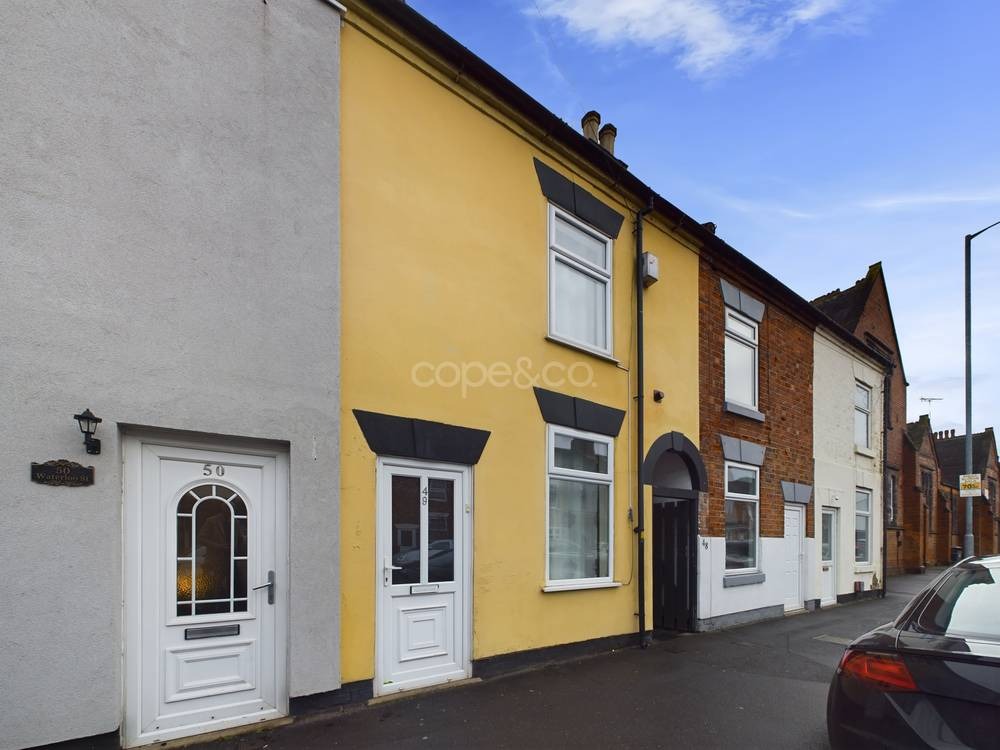
A tenant moves into a two-bedroom terraced house in Derby in 2016. The rent is £615 per calendar month, which is perfectly fair for the time. The landlord is pleased to have reliable tenants, and the tenants are happy with the property. Everyone feels the arrangement works.
By 2020, the rent is still £615. The market rent has crept up to £653, but it doesn’t feel worth rocking the boat.
Two years later in 2022, the landlord gently nudges the rent up to £640. Meanwhile, the market rent for similar homes in Derby has climbed to £804.
Fast forward to 2025 and the rent is now £690.
The market rent? £895.
That’s a £205 per month gap.

The Slow Drift Nobody Talks About
From a landlord’s perspective, leaving the rent alone rarely feels like a mistake at the time.
The tenant pays on time. They look after the home. There are no void periods, no advertising costs, and no awkward conversations about increases. Many landlords convince themselves they’re being fair.
From the tenant’s perspective, stability is everything.
They build their household budget around the rent. Children settle into local schools. The house stops feeling like a rental and starts feeling like home.
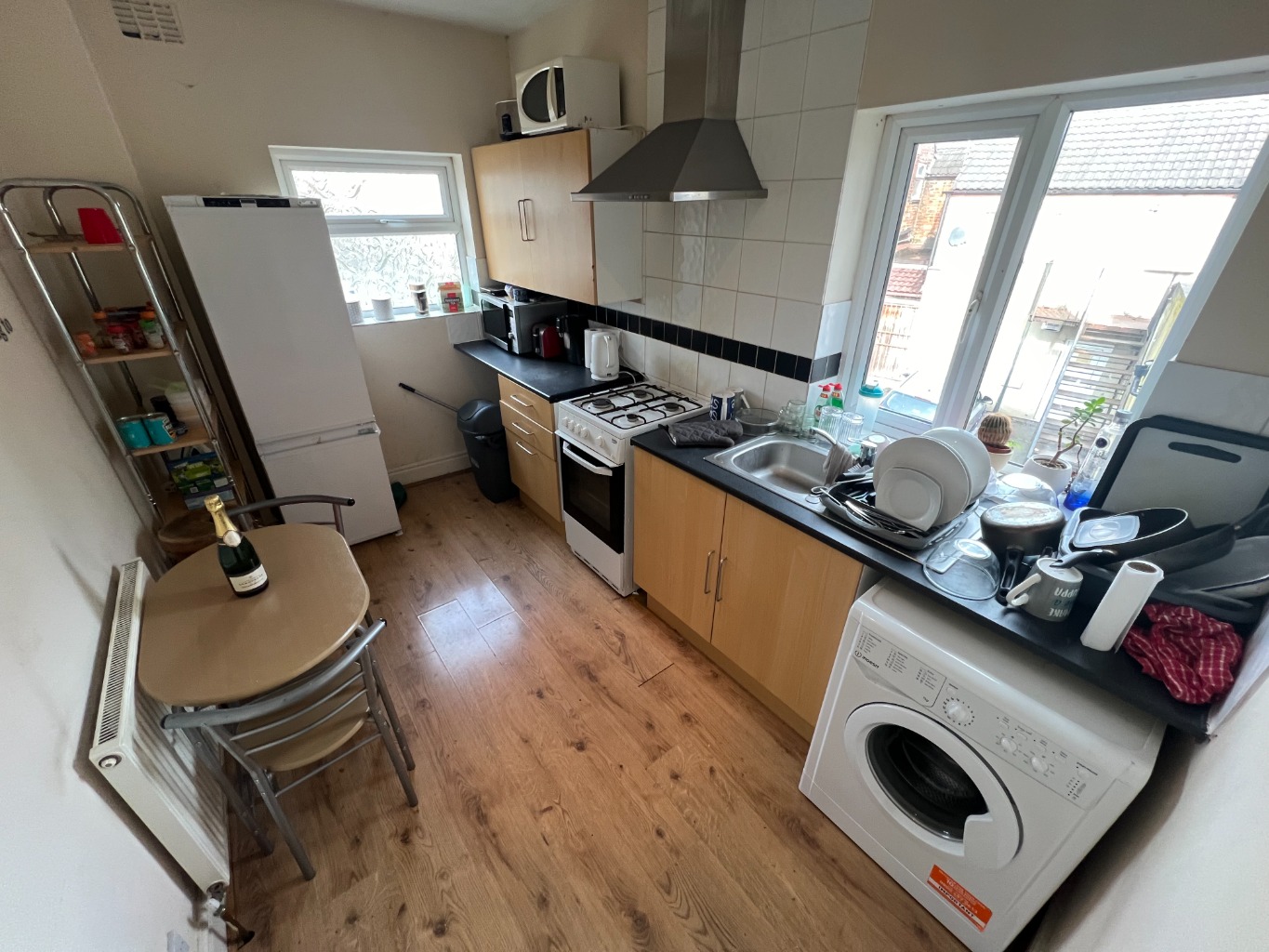
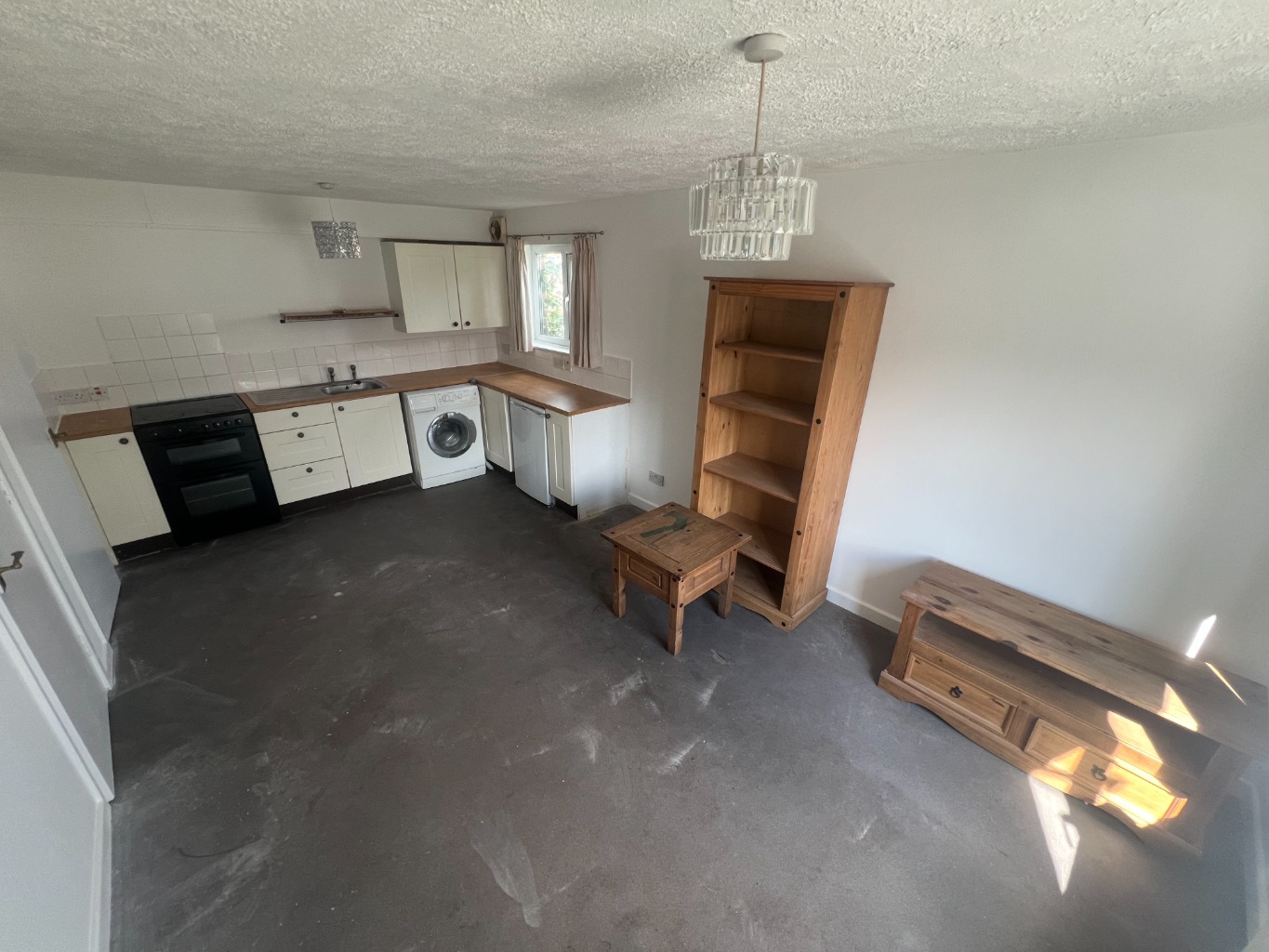
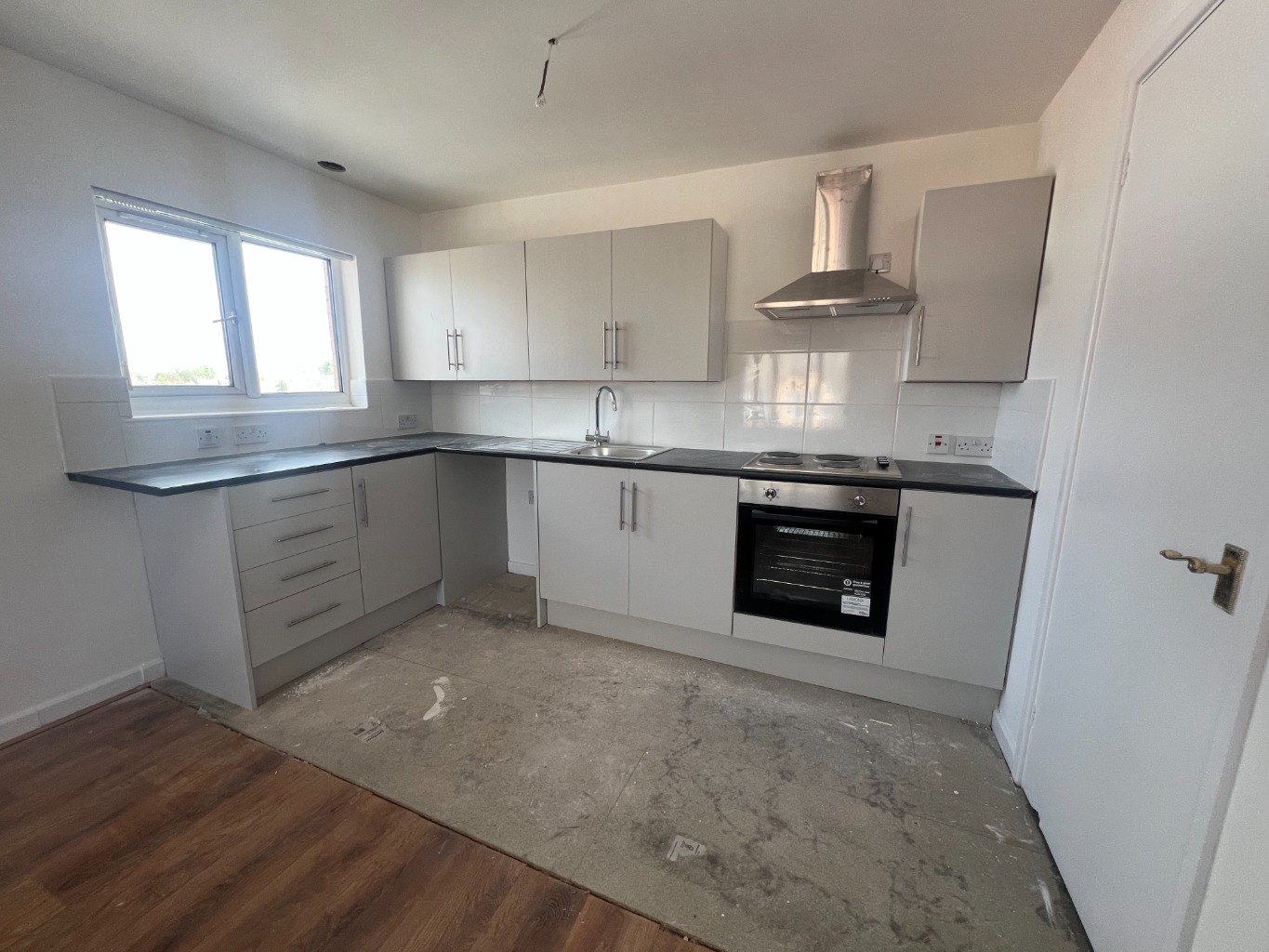
They might notice the kitchen is dated or the bathroom could do with updating. But the rent feels reasonable for what they’re getting, so they don’t push the issue.
This is when the drift begins.
Between 2016 and 2025, rents in Derby increased by 45.5%.
Yet in this example, the landlord only increased the rent by 12.2%.
And when rent falls too far behind the market, something subtle happens.
Investment slows.
Small maintenance jobs get postponed. Bigger improvements quietly disappear from the plan. Neither side quite feels justified in asking for more because the arrangement has become an unspoken compromise.

Then Life Happens
Eventually, circumstances change.
The landlord may retire. They might separate from a partner, change jobs, or simply decide it’s time to release capital.
So they decide to sell.
On paper, the property should achieve a certain value. But with a sitting tenant paying £205 per month below market rent, and a property that hasn’t been improved for years, the numbers suddenly don’t stack up.
The buy-to-let yield looks weaker, and the property often sells for less than it should. Now the landlord faces choices they never planned for.
They could sharply increase the rent to improve the investment figures. They could remove the tenant and sell with vacant possession. Or they could sell with the tenant in place and accept a discounted price.
In Derby, we see this third option happen more often than people realise.
The Problem the Tenant Never Sees Coming
From the tenant’s perspective, the sale might feel like a relief. They assume the new owner will simply carry on as before.
But that’s rarely how the story ends. A new landlord has no emotional connection to the tenancy history. They simply see a property renting £205 below market value.
So the rent goes up, and often significantly.
For tenants who have built their lives around the old rent, that increase can feel sudden and overwhelming. Negotiations follow, stress levels rise, and in the worst cases the situation ends in notices, disputes and forced moves.
Ironically, the very kindness that kept the rent low for years is what created the shock in the first place.

The Uncomfortable Truth for Derby Landlords
Regular, modest rent reviews are usually the fairest outcome for everyone involved. Gradual increases allow tenants to adapt over time. Fair rents allow landlords to properly maintain and improve their properties.
And perhaps most importantly, they reduce the likelihood of sudden sales or financial pressures that cause upheaval for tenants.
This isn’t about squeezing tenants or defending poor landlord behaviour, it’s about recognising that pretending the market doesn’t exist doesn’t protect anyone. It just delays the consequences.
Slow, predictable change is far easier for people to live with than sudden shocks.

A Thought for Derby’s Self-Managing Landlords
If you’re a Derby landlord managing your property yourself and this story sounds uncomfortably familiar, it might be worth reviewing where your rent currently sits compared to the market.
Sometimes a quick conversation now can prevent a much bigger problem later. If you’d like an informal opinion, we’re always happy to have a chat.
After all, sometimes the kindest thing a landlord can do is simply keep things realistic.